Skip to content
There’s a real gap between being able to do makeup, and being a professional makeup artist.
Skills in blending, and being creative, are important – however, what really makes a professional in the UK beauty business is sticking to the industry’s standards.
These standards are there to look after your clients, your good name, and your job. They make certain you aren’t only achieving good results, but are giving a service that is safe, correct, and people can depend on.
If you truly want to make a lasting career, knowing these standards isn’t a choice; it’s vital.
If you want proper, approved training which deals with all of these areas well, our Makeup Course looks at professional standards, hygiene, talking to clients, ethics, and practical work in detail.
Let’s look at what really makes a professional makeup artist in the UK.
Training and What You Need to Have
In the UK, there isn’t one single organisation that gives makeup artists a national licence. But that doesn’t mean training isn’t important.
In fact, it makes good training even more important.
Most professional makeup artists finish approved training that covers:
- Makeup skills and how to put makeup on
- Different skin types and what is wrong with skin
- Keeping things hygienic and clean
- Talking to clients
- Things you shouldn’t do
- How a professional should behave
Approved courses make sure you’re trained to standards the industry knows, and can show you’re good at what you do, if clients, places, or insurers ever ask.
Training gives you confidence, and it gives you being seen as someone people can trust.
More and more clients are asking about qualifications. Being able to explain your training clearly makes you stand out.
Hygiene and Cleanliness
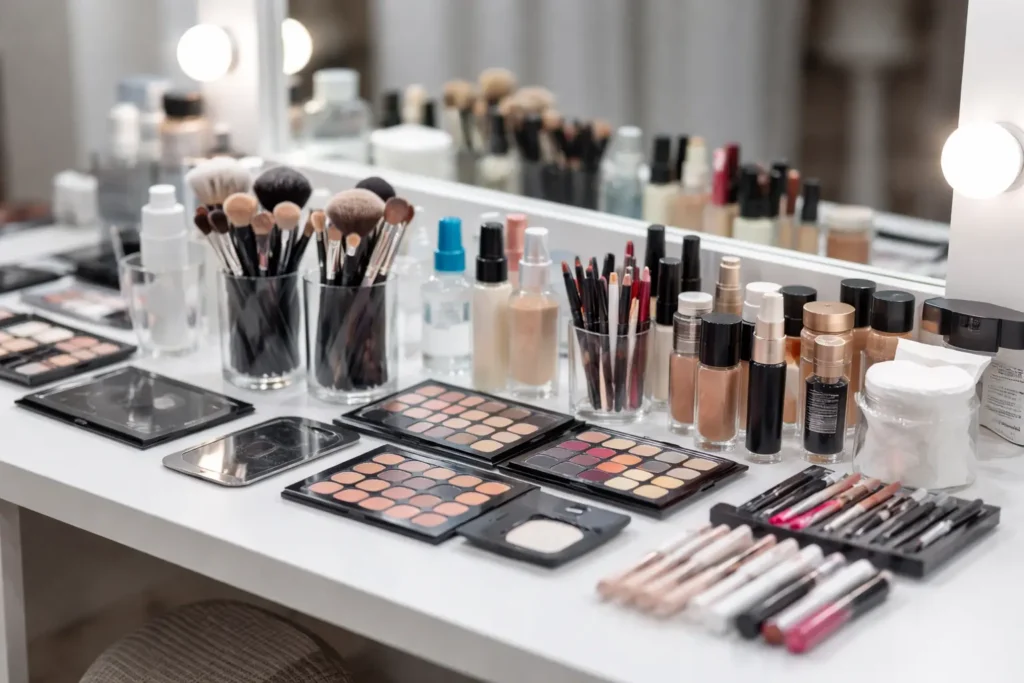
Hygiene is one of the most important standards in makeup artistry.
As a professional MUA, you must:
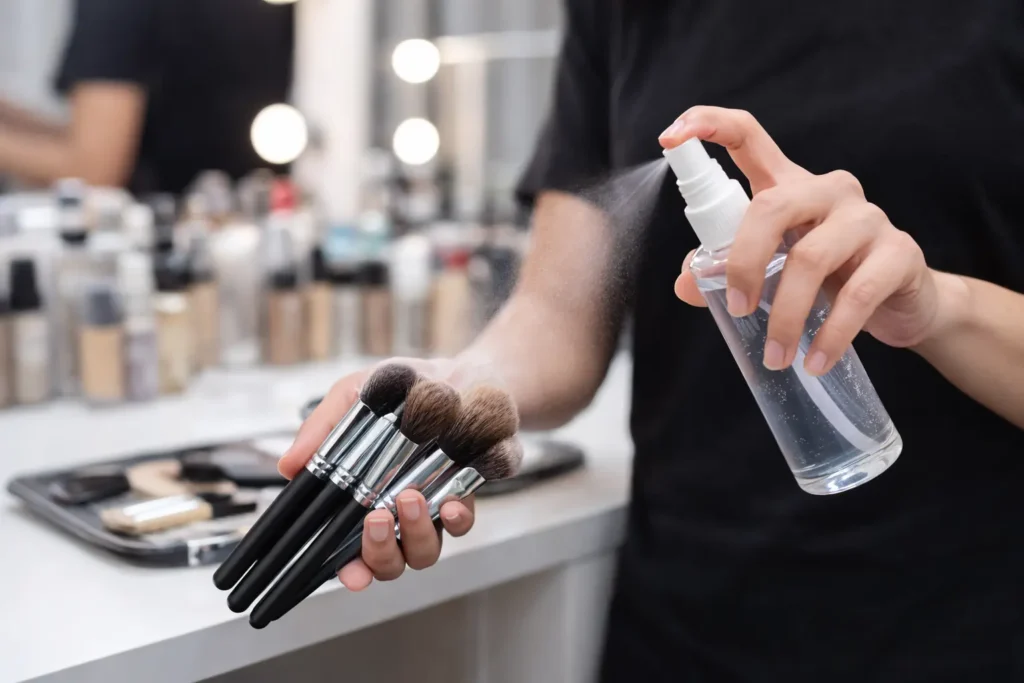
- Clean brushes and tools between clients
- Use things you throw away when you can
- Put products into smaller containers instead of putting your applicators into the original product
- Wash and clean your hands often
- Keep a tidy, organised place to work
These things lower the chance of germs being passed on, and keep your clients from getting infections like cold sores, conjunctivitis, and spots.
In the UK, being bad at hygiene can lead to people complaining, legal problems, or losing your good name. Being clean isn’t just about being tidy – it’s about keeping people healthy.
Professional artists take hygiene as seriously as their skills.
Knowing About Products and What’s In Them
A professional makeup artist needs to know more than matching colours.
You should know:
- Which products are good for dry, oily, old, or spotty skin
- What is commonly causing allergies in makeup
- The difference between water-based and silicone-based foundations
- How certain things in makeup react with skin problems
Clients depend on you to make their good points better, safely. Knowing a lot about what’s in products helps you lower the chance of reactions, and choose products that work well in different situations, like weddings, photoshoots, and makeup that lasts all day.
Knowing about products is one of the clearest signs that an artist has been trained.
Talking to Clients
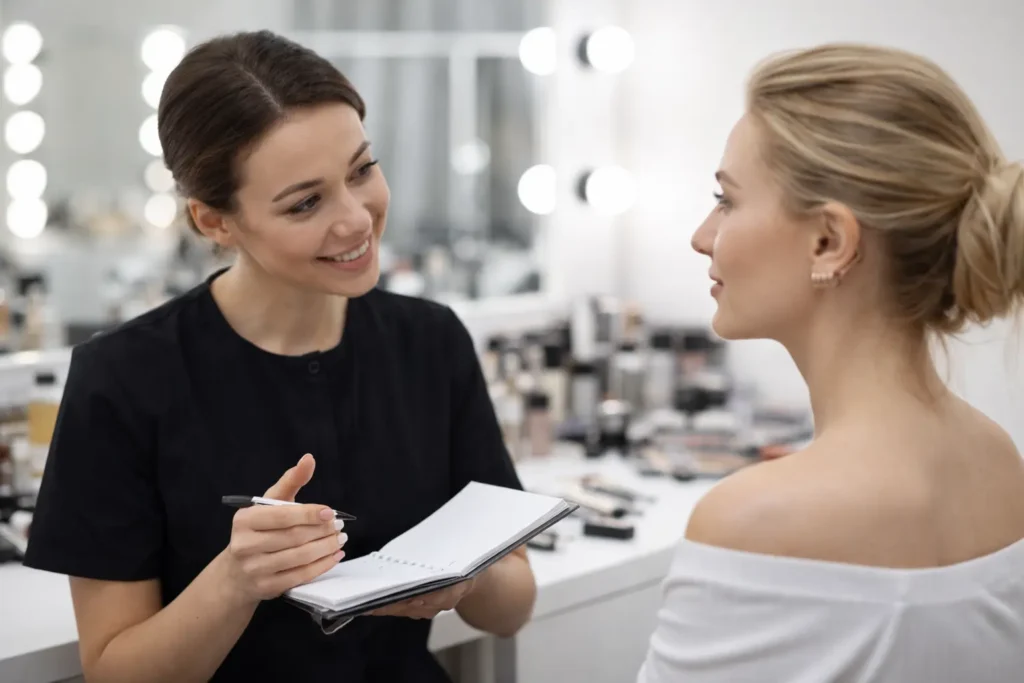
A good talk with a client isn’t just a thing you have to do. It’s a professional standard.
At the start of every appointment, you should talk about:
- Skin type and what makes it sensitive
- Allergies
- Reactions they’ve had before
- What the event is, and what look they want
- How happy they are with how much makeup and what style
Talking to clients makes sure what you both want is the same, and lowers the chance of people not understanding.
It also protects you in law. If a client later says they aren’t happy, or had a reaction, notes from the talk show you did your duty of care.
Especially for weddings or events, the talk is everything.
Ethics and How a Professional Should Behave
Being a professional is more than just being good at skills.
Industry standards expect makeup artists to:
- Respect what clients tell them in private
- Keep proper limits
- Keep to times people have agreed
- Speak clearly and with respect
- Say what they can and can’t do honestly
Keeping what clients tell you private is especially important when working with famous people, weddings, or private events.
How you behave when you aren’t doing makeup affects your good name as much as your skills.
People trust you because of how you behave.
Insurance and What the Law Says in the UK
Although makeup artists in the UK aren’t made to have a national licence, professional insurance is very much recommended.
Most serious MUAs have public liability insurance. This protects you if:
- A client has an allergic reaction
- A product irritates skin
- An accident happens when you’re working
Some local councils may also have special things you need to do if you work from certain buildings.
Insurance protects both you and the client. It also shows you’re a professional.
Many places, especially wedding places, won’t work with people who can’t show proof of insurance.
What You Show People and Improving Yourself
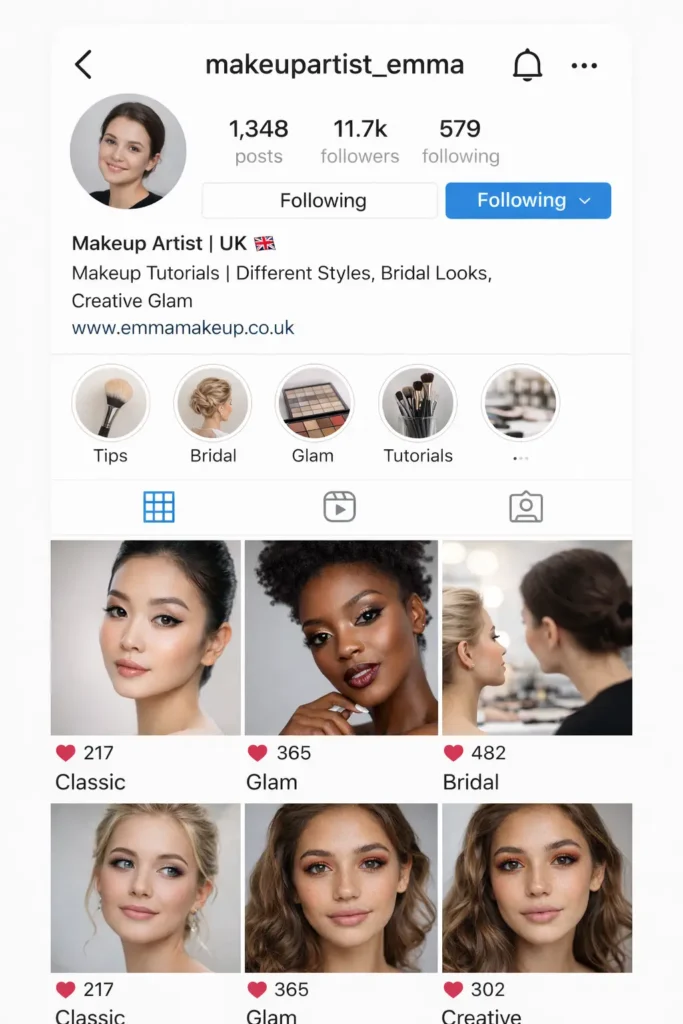
A good collection of your work is part of your professional standard.
It should:
- Show a range of skin colours
- Show different makeup styles
- Have clear, well-lit photos
- Show you’re good at what you do all the time
Your collection of work is your visual CV. But standards don’t stop when you’ve finished your training.
Makeup styles change. Skills change. Products get better.
Professional MUAs promise to keep learning through:
- Special classes
- Industry events
- More advanced training
- Keeping up to date with styles and skills
Learning all the time keeps you able to compete in a fast-moving business.
Why Industry Standards Matter for Your Job
Following industry standards does more than look after your clients.
It:
- Builds trust for the long term
- Lowers risk
- Gets you people telling others about you
- Makes your professional image better
- Makes you more confident
Clients can feel the difference between someone who’s been trained, and someone who is trying things out.
In a market where there are a lot of people, being a professional is what makes you better.
Final Thoughts
Makeup artistry is about being creative. But being a professional is about having a structure.
Industry standards are there to look after the client, look after the artist, and make the whole job better.
Whether you’re just starting, or making your job better, making yourself part of proper training, hygiene, correct behaviour, and learning all the time puts you on a road to lasting success.
If you want to be trained to standards people know, and build your skills properly from the start, look at our Makeup Course and start your journey to being a confident, trusted professional.