Skip to content
Eyelash extensions are about making people feel good, confident, and about getting things just right!
However, occasionally the most professional action a lash tech can take is to decline a service.
It’s not simply something you learn in training to be able to tell the difference between a hobbyist and a truly qualified technician. If you’re serious about safe work and gaining your clients’ confidence, you absolutely need to know when a treatment shouldn’t happen.
If you’d like to learn this properly, as part of a complete course, our accredited eyelash extension course covers consultations, eyelash extension contraindications, and client safety thoroughly.
Let’s go through the main things every lash technician needs to be aware of.
Contraindications Which Mean, No Eyelash Extensions
These are the conditions where a treatment should not, under any conditions, be done.
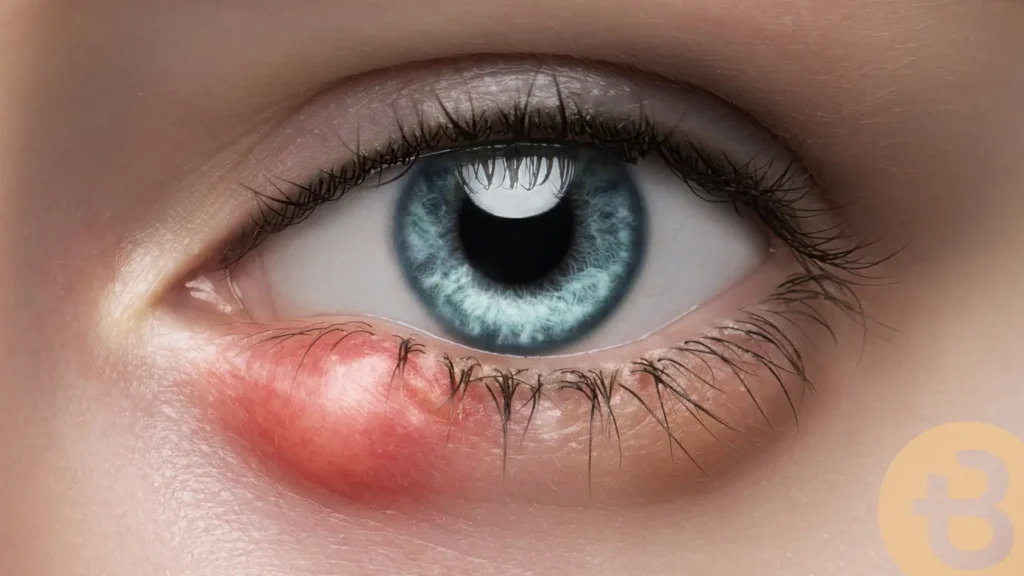
Stye
A stye is a little pocket of pus – a painful lump – on the eyelid. It may not look bad, but it is an active infection.
Putting extensions on over a stye could:
- Make irritation worse
- Spread bacteria
- Hold up healing
- Cause a lot of pain
If a client has a stye you can see, put the appointment off. Tell them to get proper medical advice and come back when the area is completely better.
Being professional means protecting the client, even if you lose a booking.
Blepharitis
Blepharitis is ongoing swelling of the eyelid. It often shows as:
- Red, puffy eyelids
- Itching
- A gritty feeling in the eyes
- Scaly bits along the lash line
This affects the lash line itself. The glue, isolating the lashes, and the weight of the extensions can all make the irritation worse.
Don’t do the treatment if the symptoms are happening now. Clients whose blepharitis is well controlled should only be treated with a great deal of care, and a full explanation of what’s happening.

Conjunctivitis and Other Eye Infections
Conjunctivitis – often called pinkeye – can be caused by germs or viruses. It usually includes:
- Redness
- Watery eyes
- Swelling
- Something coming from the eye
It’s very easily passed on.
Doing a lash treatment with this going on is unsafe for the client, and a risk to you and people you treat later.
Never do eyelash extensions on anyone with an active eye infection.
Further Conditions That Prevent Service
There are other times when extensions shouldn’t be put on.
Trichotillomania
This is when someone feels they must pull their hair or lashes out. The natural lash line is usually weak or sparse.
Extensions might make the pulling worse and do more damage.
Chemotherapy and Cancer Treatment
People having chemotherapy may experience:
- A lot of lash loss
- Hair getting thin
- Skin becoming more sensitive
The immune system is often not as strong as it should be, and the glue’s fumes can be unpleasant.
Unless you get written permission from a doctor, it’s safest not to go ahead.
Alopecia
Alopecia can cause some or all lashes to be lost. If there are no natural lashes to put extensions onto, they can’t be safely applied.
Strip lashes or temporary options could be better in these cases.
Recent Eye Surgery
Any recent surgery near the eyes is a definite no.
The area must be fully healed, and a doctor must say it’s okay, before extensions are even thought about.
Conditions That May Change the Service
Some contraindications don’t stop the treatment, but mean you need to make changes, be careful, or talk to the client.
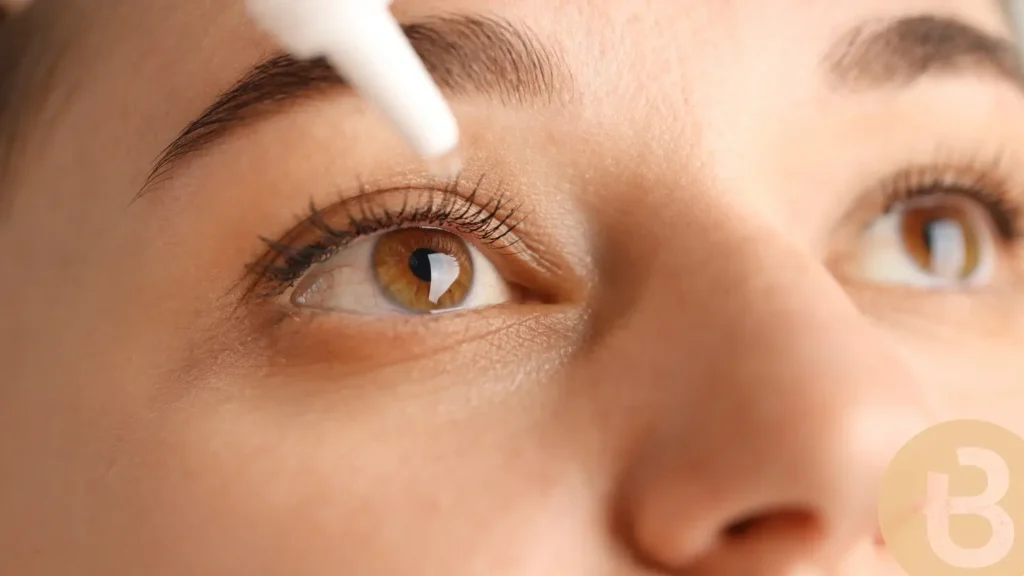
Dry Eye
Clients with dry eye might find the glue’s fumes more irritating. You might have to:
- Use glue with less fume
- Shorten the treatment time
- Watch how comfortable they are very carefully
Hayfever and Seasonal Allergies
Watery eyes and a lot of rubbing mean extensions won’t last as long, and increase sensitivity.
If the symptoms are happening now, tell them to reschedule.
Claustrophobia
Lash treatments mean clients have to lie still with their eyes shut for a good while.
Some people might feel worried or uncomfortable. A chat with them beforehand is vital to see if it’s okay.
Wounds or Cuts Near the Eye
Any open wound near where you’re working increases the risk of infection.
Don’t do anything until the skin is completely better.

Pregnancy and Breastfeeding
Being pregnant or breastfeeding doesn’t automatically mean you can’t treat someone, but hormone changes can affect how sensitive they are, and how well the extensions stay on.
Always have a good chat, and think about doing a patch test.
Why Contraindications Matter So Much
Knowing contraindications isn’t about sending clients away.
It’s about:
- Keeping natural lashes healthy
- Stopping infections
- Avoiding being sued
- Building trust for the long term
Clients will remember you putting their wellbeing first, even if it means you don’t make a sale.
That kind of reputation gets around!
Consultation Is Key
A proper lash consultation must include:
- Questions about their medical history
- Any recent treatments or surgery
- Their history of eye sensitivity
- What medicines they’re taking
- Information about allergies
Never only rely on what you can see. Ask questions. Write the answers down. Protect yourself professionally.
Learning to do consultations properly is a central part of our accredited eyelash extension course, because skill without safety isn’t professional.
Final Takeaway
Lash work is about detail. Safety is about being responsible. A good lash technician understands both. Sometimes the most skilled thing you can do is not to put extensions on.
And that choice builds more trust than any full set ever could.