 Skip to content
Accredited Nail Technician Course
Flexible & fully accredited online nail technician course with expert tutor support. Study from home, get certified, and receive a luxury nail kit personalised with your logo. Gain professional qualifications in manicure procedures, builder gel (BIAB), UV gel polish, and acrylic extensions from home.

The UK's Ultimate Online Nail Technician Course
Unleash your creativity and elevate your skills with our acclaimed Nail Technician Course, your first step toward becoming the nail technician you’ve always dreamed of being.
Develop hands-on expertise, gain valuable industry knowledge, and build the confidence to deliver flawless, salon-quality results every time.
Join the beauty industry equipped with the tools to thrive. Your transformation into a highly sought-after nail professional starts now, embrace a future full of artistry and boundless opportunity!
The Ultimate Nail Course
Unleash your creativity and elevate your skills with our acclaimed Nail Course – your first step toward becoming the nail technician you’ve always dreamed of being.
Develop hands-on expertise, gain valuable industry knowledge, and build the confidence to deliver flawless, salon-quality results every time.
Join the beauty industry equipped with the tools to thrive. Your transformation into a highly sought-after nail professional starts now – embrace a future full of artistry and boundless opportunity!

Nail Technician Course Overview
- Learn Manicures, Pedicures, BIAB, Acrylics, Gel Polish, and SO much more
- Free Beauty Logo Design
- Free Customised Nail Kit
- Industry Tips
- 24/7 Course Access
- Accredited Certificate
- Unlimited 1-to-1 Tutor Support
- Flexible Payment Options
7-IN-1 ULTIMATE ONLINE NAIL TECHNICIAN COURSE
Trying to piece together different nail qualifications?
We leave no stone unturned. One ultimate nail course that covers it all, so you can start your career with nothing missing and nothing holding you back!
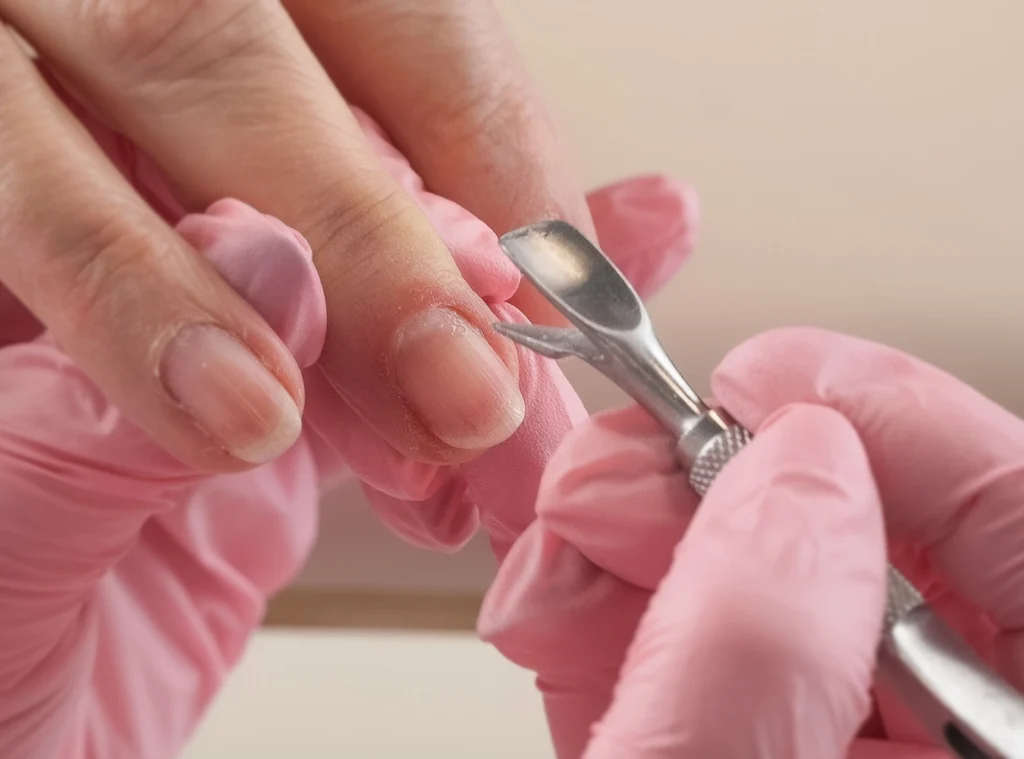
Manicure
Learn how to shape, prep, and care for natural nails, finishing with a clean and professional massage.
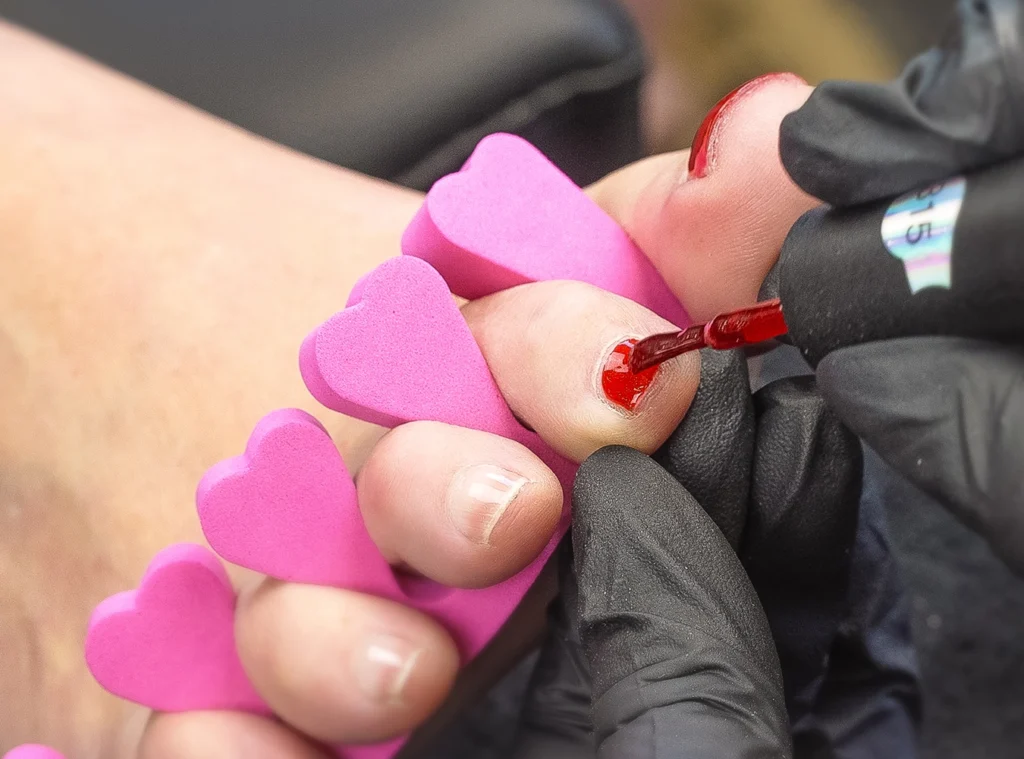
Pedicure
Master the full pedicure process, including foot soaking, exfoliation, nail care, and massage for smooth, healthy feet.
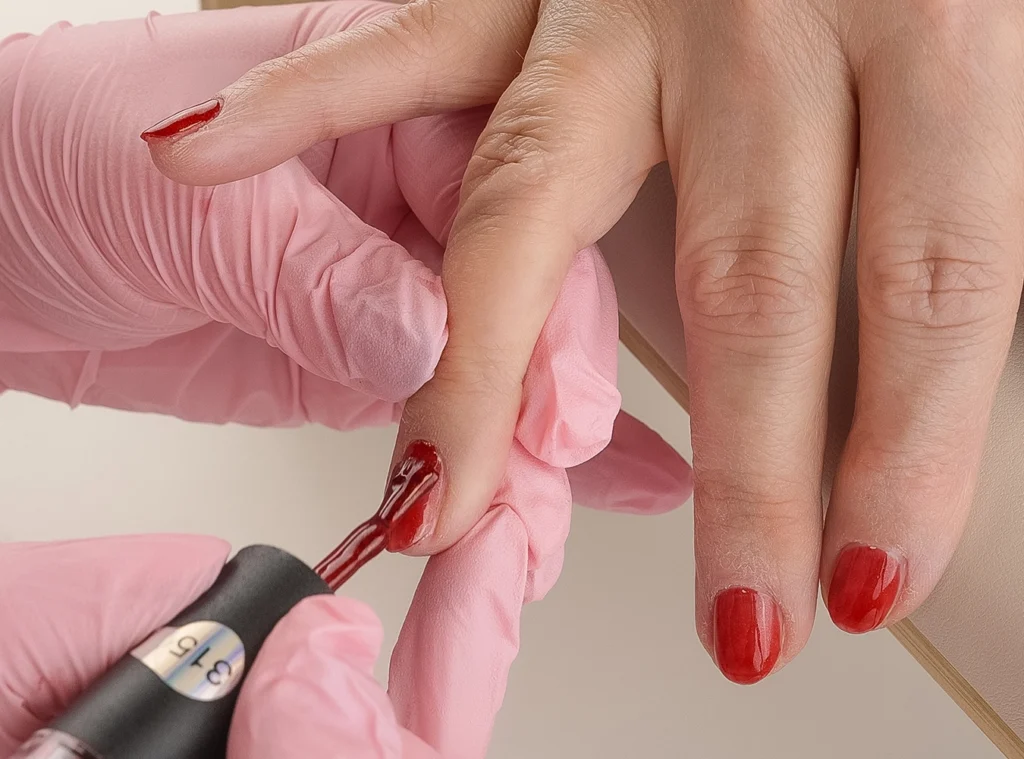
UV/LED Gel Polish
Gain the skills to apply gel polish using UV or LED light, achieving a long-lasting, high-shine finish.
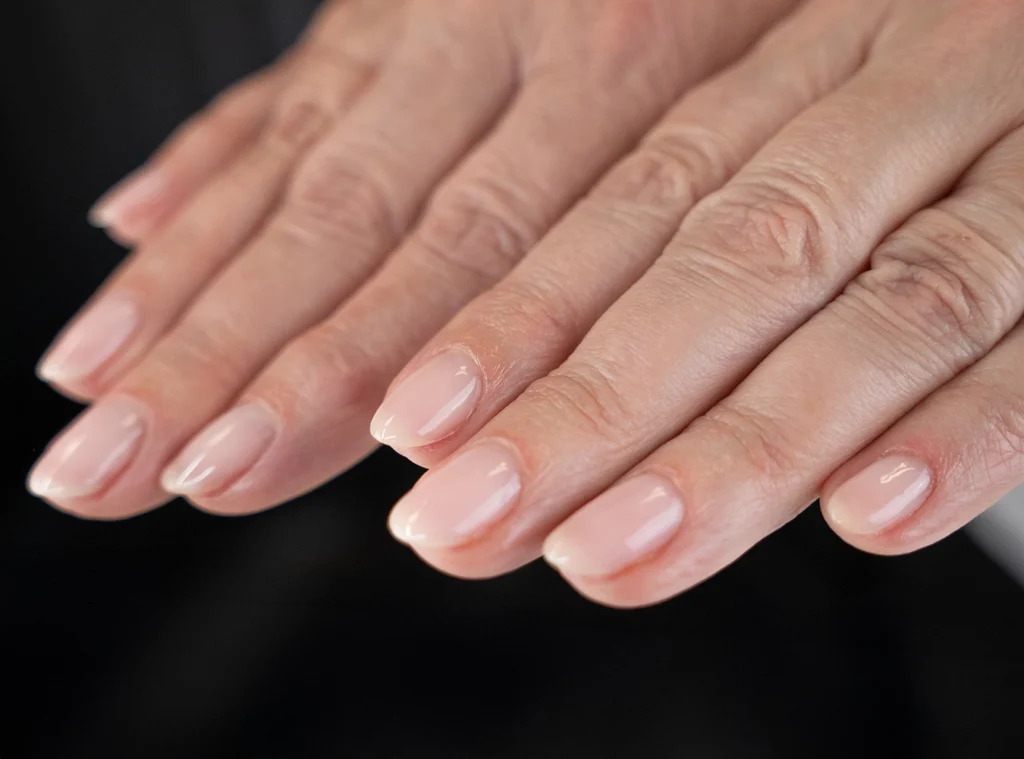
BIAB/Builder Gel
Learn how to strengthen, structure, and lightly extend nails using builder gel for a natural yet durable result.
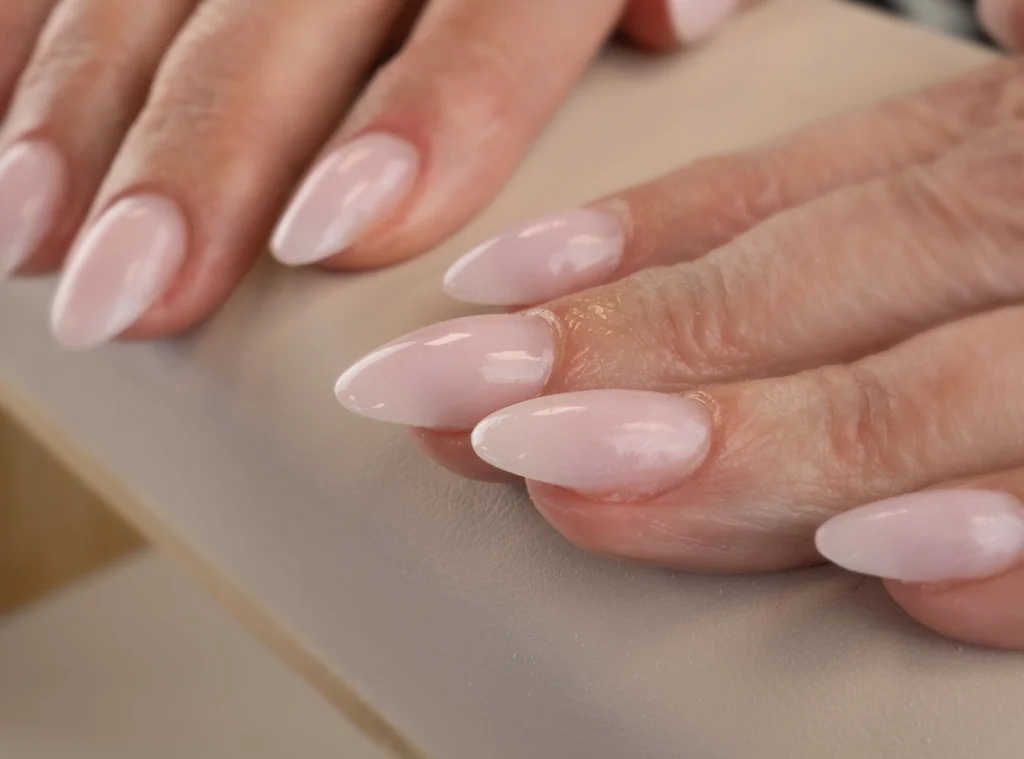
Acrylics
Understand how to apply and shape extensions, creating strong, sculpted nails with a smooth finish.
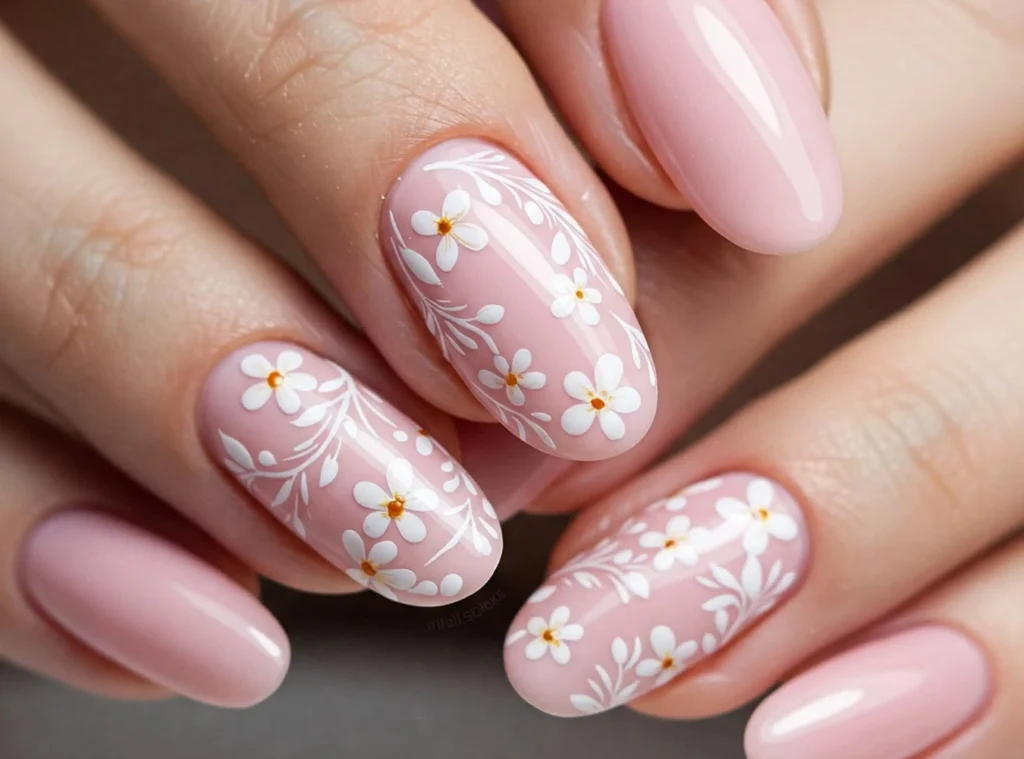
Nail Art & Design
Develop creative techniques such as marbling, ombré, foils, and prints to produce unique nail designs.
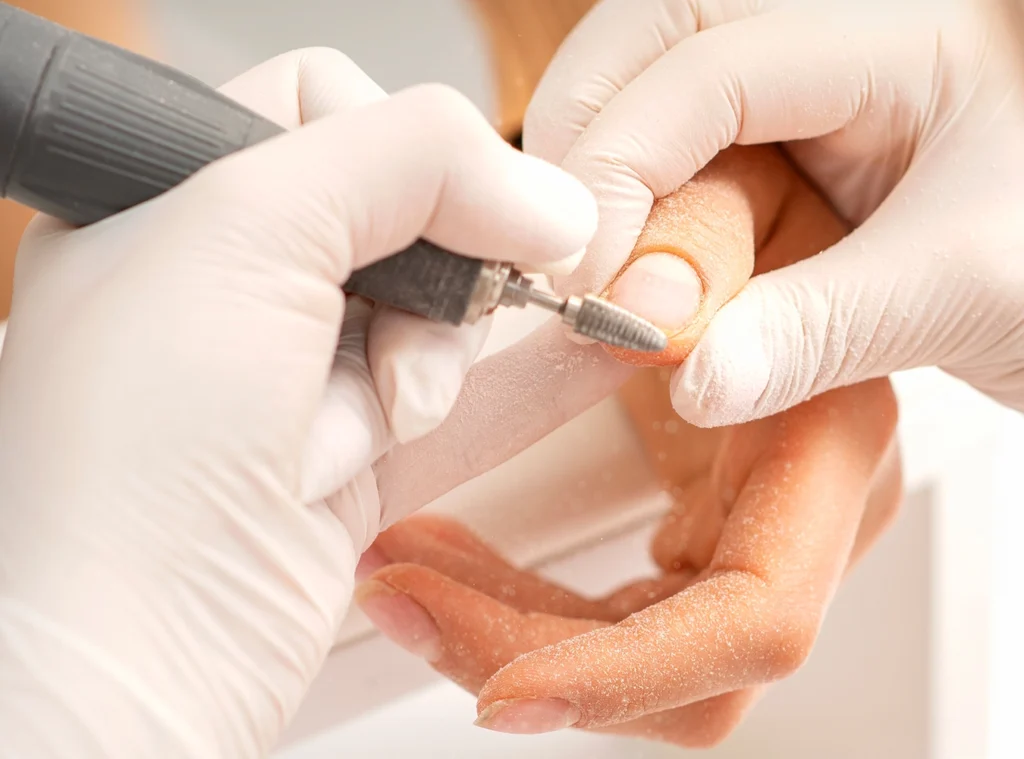
E-Filing
Learn how to safely and efficiently use an electric file to prep, refine, and remove products without damaging the natural nail.
FREE ONLINE NAIL COURSE SNEAK PEEK & INFO PACK!
Enter your details below and get an inside peek into our Nail Techician Course, plus download the full course info pack!
Your free course preview & info pack will be on the next page!
Accredited Nail Technician Certificate
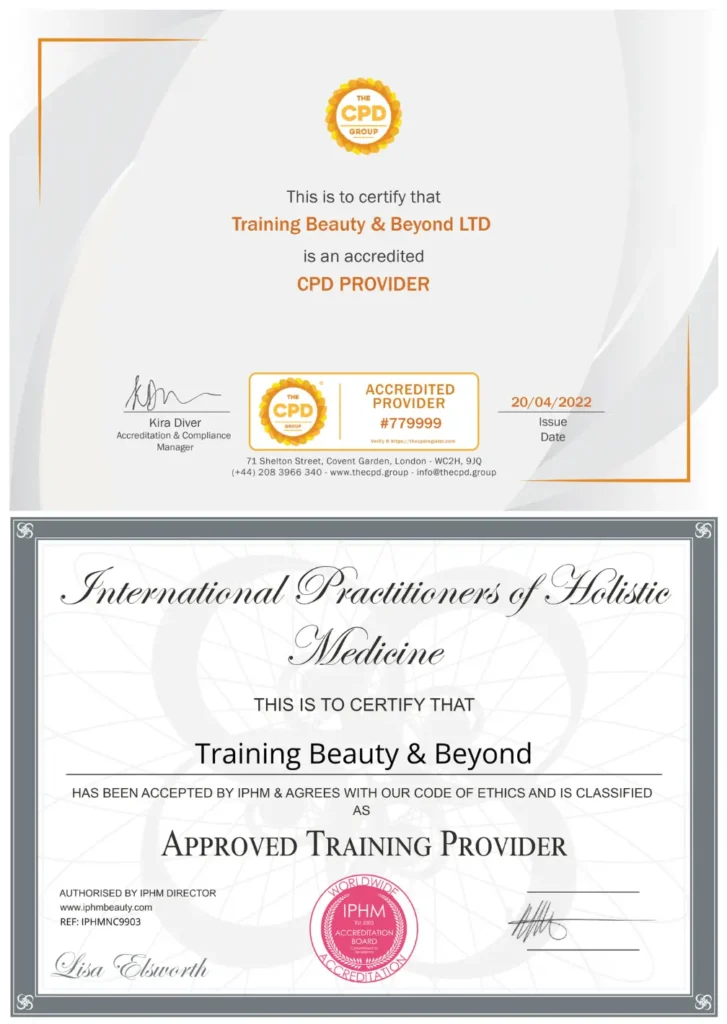
We’re proud to uphold the highest standards in our Nail Course by partnering with two esteemed accrediting bodies: IPHM Beauty and The CPD Group. Their recognition ensures our training remains current, credible, and industry-approved.
Accreditation & Insurance:
Upon successful completion, your qualification will bear their official endorsement, enabling you to secure the appropriate beauty indemnity insurance required to legally provide Nail technician services.
This accreditation not only boosts your professional credibility but also reassures your clients that you’ve been thoroughly trained to deliver safe and expert-level treatments.
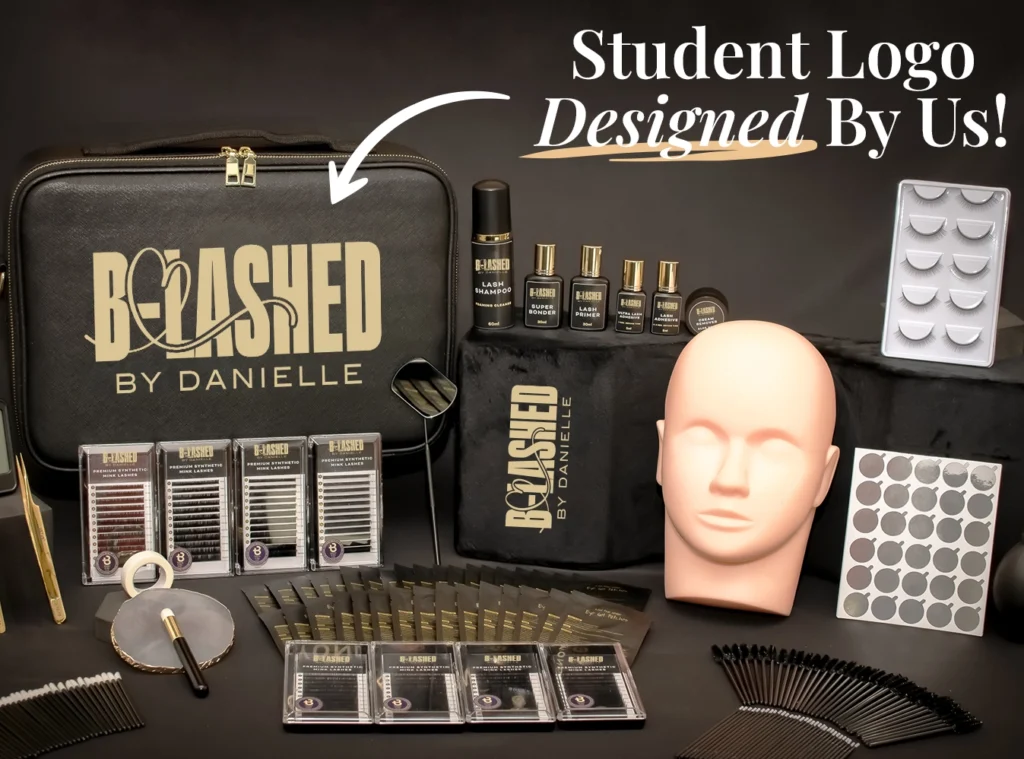
Stand Out With A Customised Nail Kit
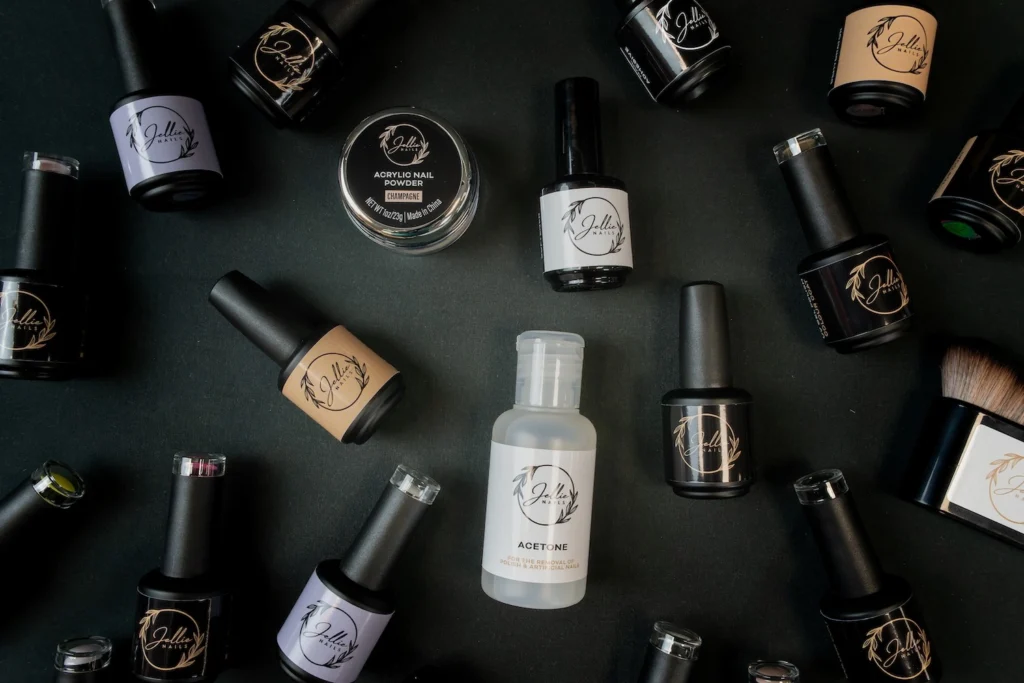
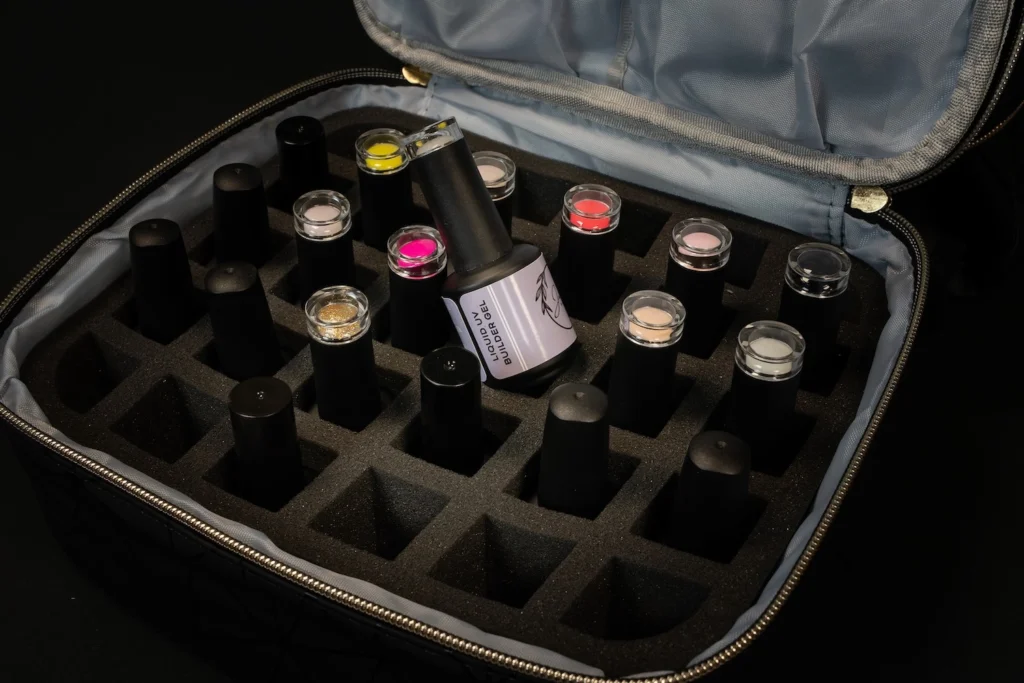
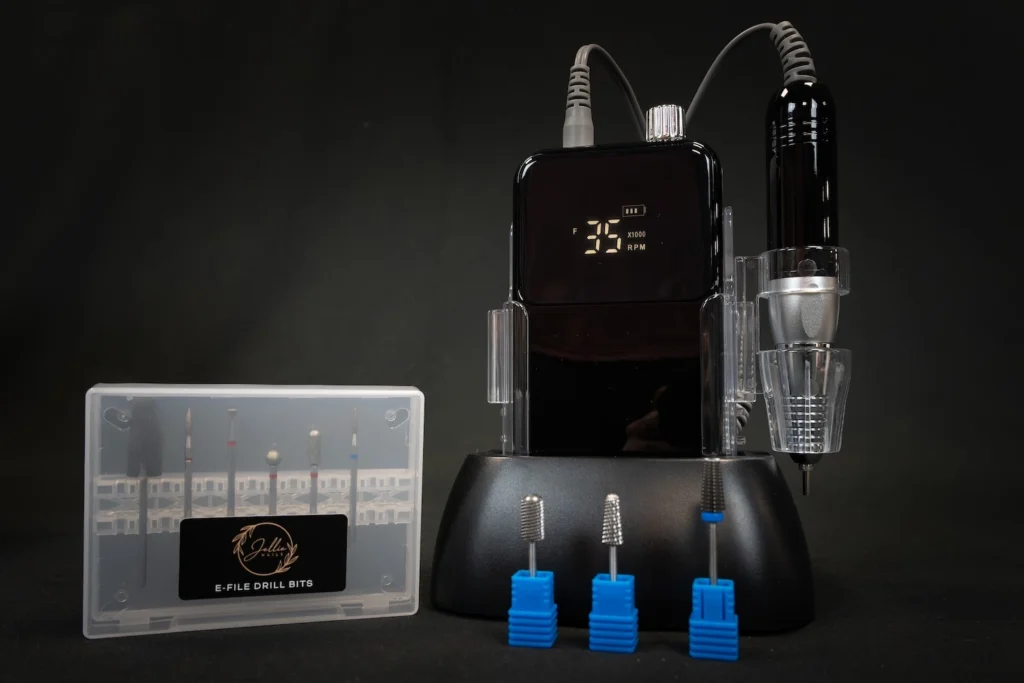
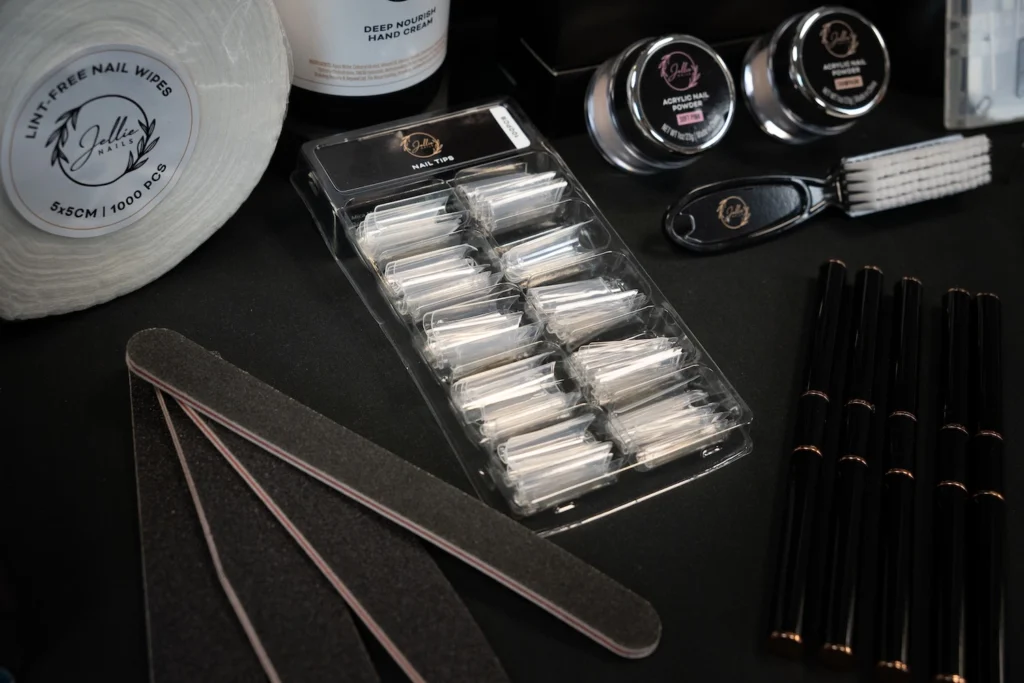
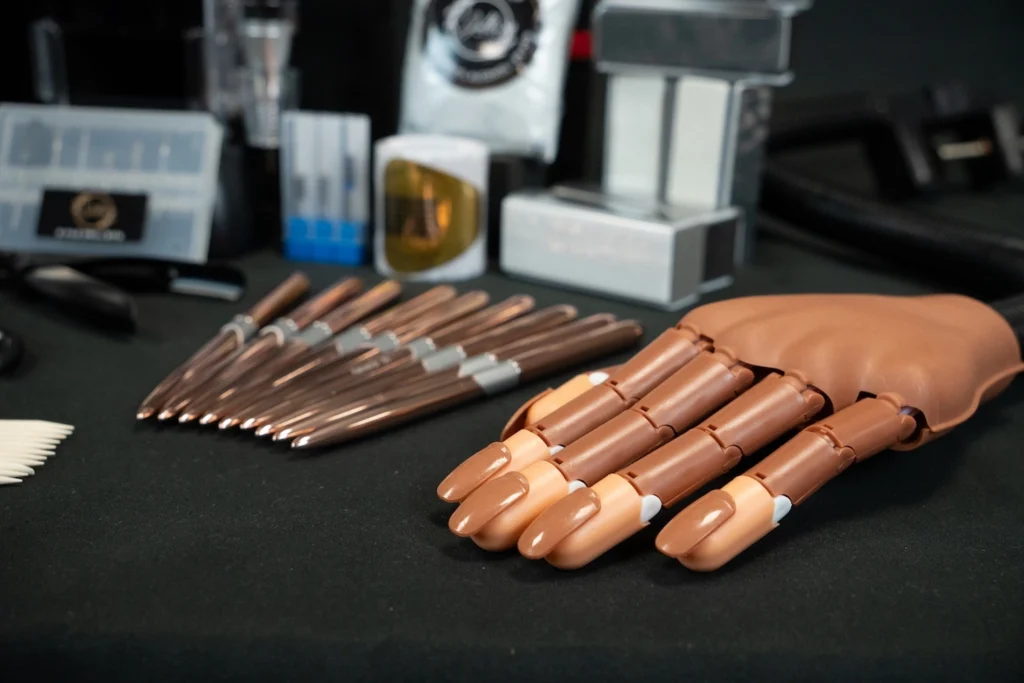
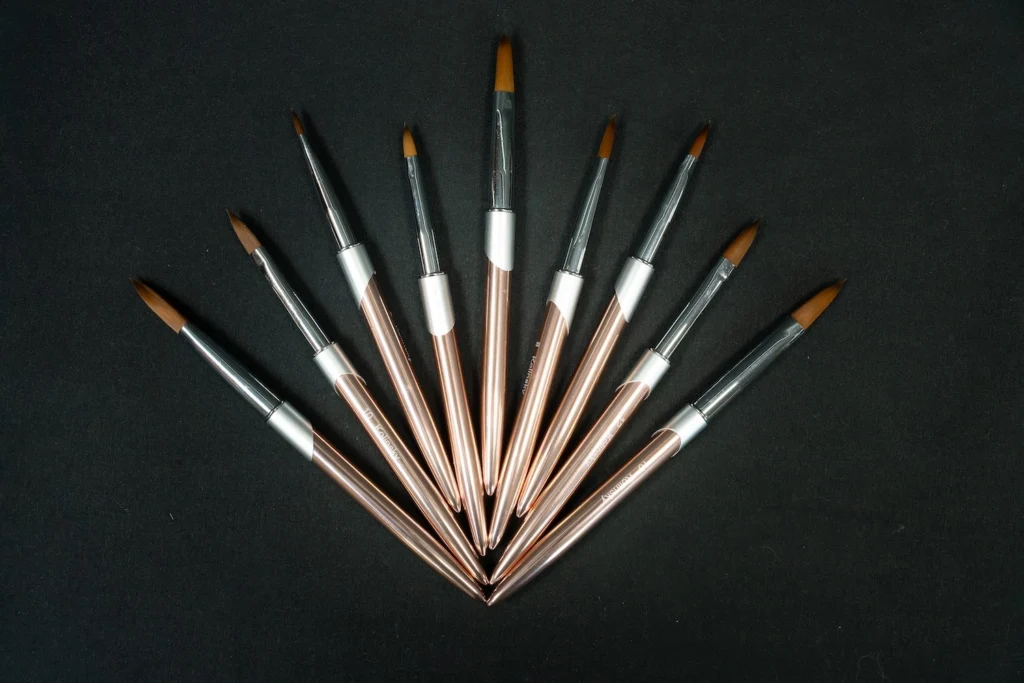
We are proud to be the only beauty training provider in the world offering this level of personalisation. Every student receives a completely unique experience, with a professionally designed logo (designed by our in-house design team) and a custom-branded kit created just for them.
Take a look at this real example – a beautifully customised kit featuring one of our student’s very own logo designs!
Click For Kit Contents
| Luxury Lash Bag | 1 |
| Lash Pillow | 1 |
| Mannequin Head | 1 |
| Gold Lash Palette | 1 |
| Hygrometer | 1 |
| Mini Lash Mirror | 1 |
| Practice Strip Lashes | 10 |
| Undergel Eyepads | 50 |
| Glue Foil Pallet Stickers | 300 |
| Micro Applicators | 100 |
| Mascara Wands | 50 |
| Isolation Tweezer | 1 |
| Angled Tweezers | 2 |
| Pump Air Fan | 1 |
| Micropore Tape | 1 |
| Shampoo Cleansing Brush | 1 |
| Lash Shampoo | 1 |
| Lash Primer | 1 |
| Cream Remover | 1 |
| Superbonder | 1 |
| Ultra-fast Drying Lash Adhesive | 1 |
| 2-3 Sec. Drying Lash Adhesive | 1 |
| Classic ‘B’ Curl 0.15 Lashes | 1 |
| Classic ‘C’ Curl 0.15 Lashes | 1 |
| Volume ‘C’ Curl 0.03 Lashes | 1 |
| Volume ‘C’ Curl 0.05 Lashes | 1 |
| Volume ‘C’ Curl 0.07 Lashes | 1 |
| Volume ‘D’ Curl 0.03 Lashes | 1 |
| Volume ‘D’ Curl 0.05 Lashes | 1 |
| Volume ‘D’ Curl 0.07 Lashes | 1 |
MEET SOME OF OUR SUCCESSFUL Nail Course STUDENTS

Wow! Amazing!! 🤩

I am so happy I found this training…
I am so happy I found this training brand, so lovely and helpful, one of the best things that’s included in the course is that you get a whole kit and you can create your own logo that will be on your kit, the kit arrives quick as well, I would highly recommend to train with training beauty and beyond

Love the course!
Still doing the course and it’s amazing!! The tutors are lovely&the course is so in depth and perfect if you’re wanting to do all types of lashes not just one!! Love that you get a personalised kit that makes your journey 100x better!! Love everything about it really!, would like to recommend this to anyone wanting to get into the beauty / eyelash business!
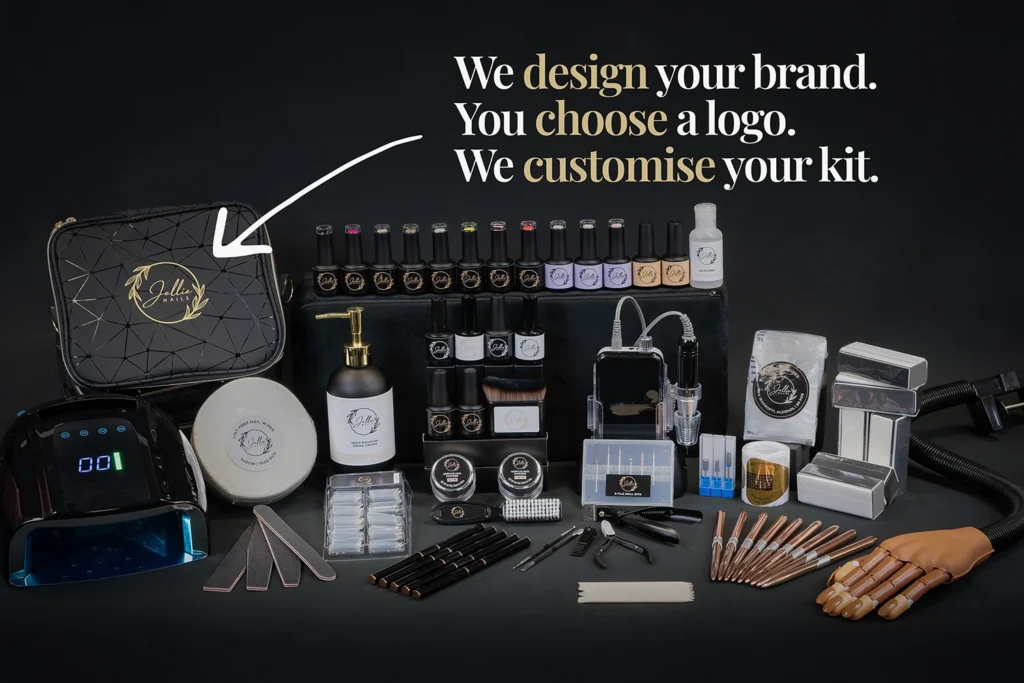
Stand Out With A Personalised Nail Kit
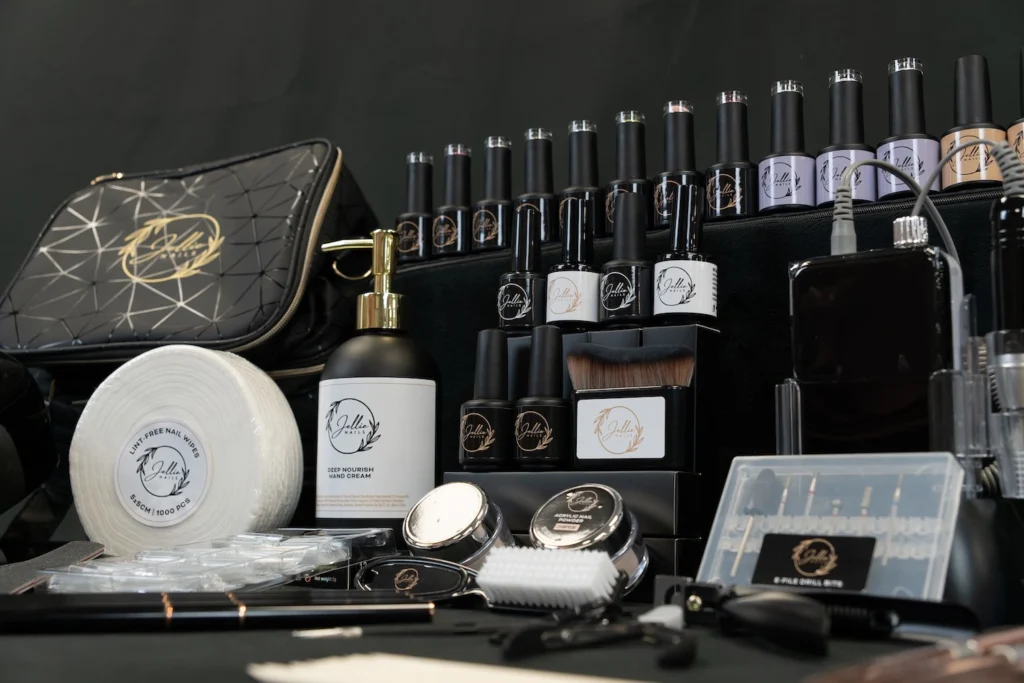
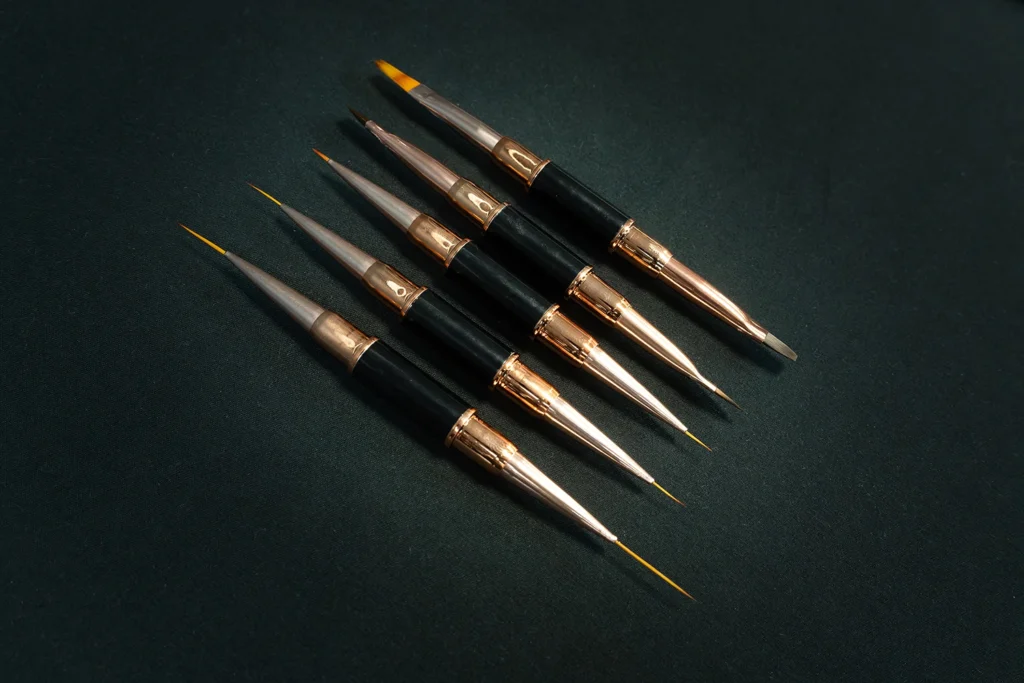
We are proud to be the only beauty training provider in the world offering this level of customisation. Every student receives a completely unique experience, with a professionally designed logo (designed by our in-house design team) and a custom-branded kit created just for them.
Take a look at this real example – a beautifully customised kit featuring one of our student’s very own logo designs!
Click For Kit Contents
| Nail Bag | 1 |
| Lash Pillow | 1 |
| Mannequin Head | 1 |
| Gold Lash Palette | 1 |
| Hygrometer | 1 |
| Mini Lash Mirror | 1 |
| Practice Strip Lashes | 10 |
| Undergel Eyepads | 50 |
| Glue Foil Pallet Stickers | 300 |
| Micro Applicators | 100 |
| Mascara Wands | 50 |
| Isolation Tweezer | 1 |
| Angled Tweezers | 2 |
| Pump Air Fan | 1 |
| Micropore Tape | 1 |
| Shampoo Cleansing Brush | 1 |
| Lash Shampoo | 1 |
| Lash Primer | 1 |
| Cream Remover | 1 |
| Superbonder | 1 |
| Ultra-fast Drying Lash Adhesive | 1 |
| 2-3 Sec. Drying Lash Adhesive | 1 |
| Classic ‘B’ Curl 0.15 Lashes | 1 |
| Classic ‘C’ Curl 0.15 Lashes | 1 |
| Volume ‘C’ Curl 0.03 Lashes | 1 |
| Volume ‘C’ Curl 0.05 Lashes | 1 |
| Volume ‘C’ Curl 0.07 Lashes | 1 |
| Volume ‘D’ Curl 0.03 Lashes | 1 |
| Volume ‘D’ Curl 0.05 Lashes | 1 |
| Volume ‘D’ Curl 0.07 Lashes | 1 |
“Training Beauty & Beyond have continuously provided an on-hand experience for their students, which differs from many of the strictly virtual courses available online.
This emerging school has proven themselves and their students are exceptional and successful practitioners after one year of training, with some students qualifying courses with after only 4 weeks!
Training Beauty & Beyond has been awarded Best Online Beauty Courses Provider – UK for their overwhelming number of positive reviews online, their perseverance through today’s difficult economic climate and excellence in their field.”
Nail Technician Course Curriculum
10 Modules • 58 Lessons
Service Section
Module 1: Introduction
Welcome!
—–
Introduction To Your Nail Course
Module 2: Nail Tech Fundamentals
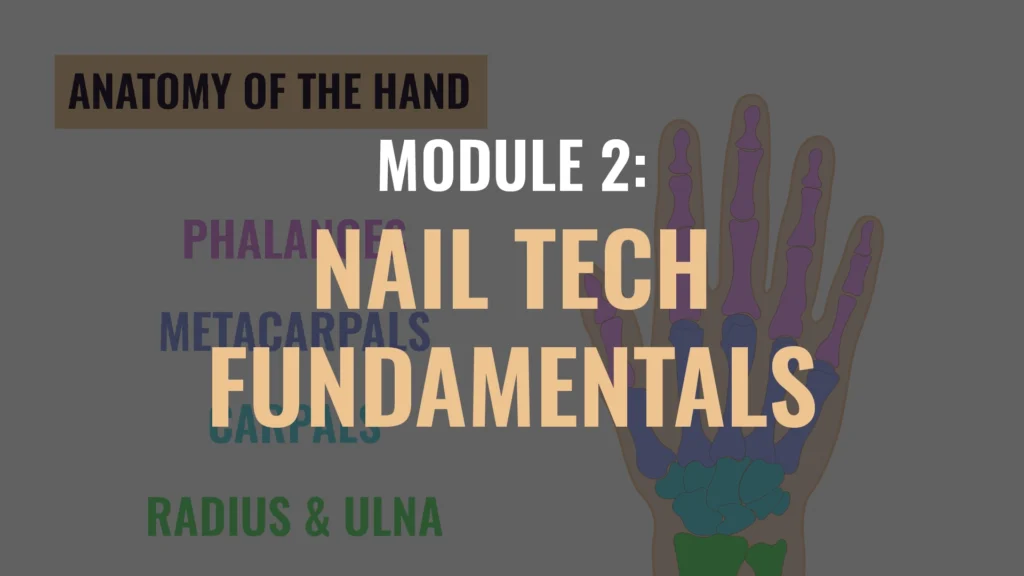
Health & Safety Law
—–
Professionalism & Code of Ethics
—–
Hygiene & Sanitation
—–
Contraindications
—–
Anatomy & Physiology
—–
Client Consultation
—–
Aftercare
Module 3: The Manicure Treatment
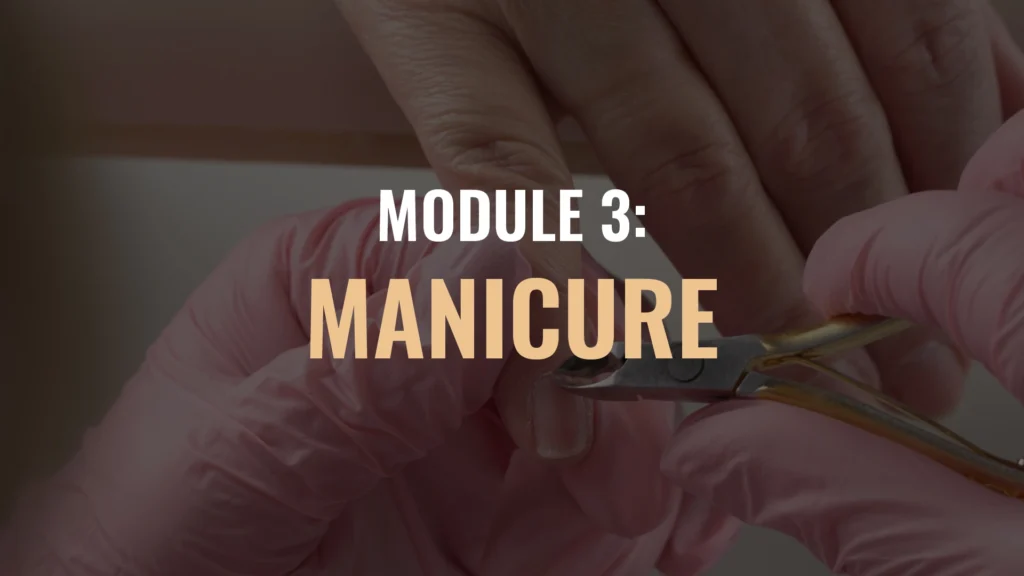
Introduction To Manicure
—–
Manicure Preparation
—–
Nail Shapes
—–
Files, Buffers & Prep Tools
—–
Filing Nails & Correctly Trimming Cuticles
—–
Manicure & Massage Routine
Module 4: The Pedicure Treatment
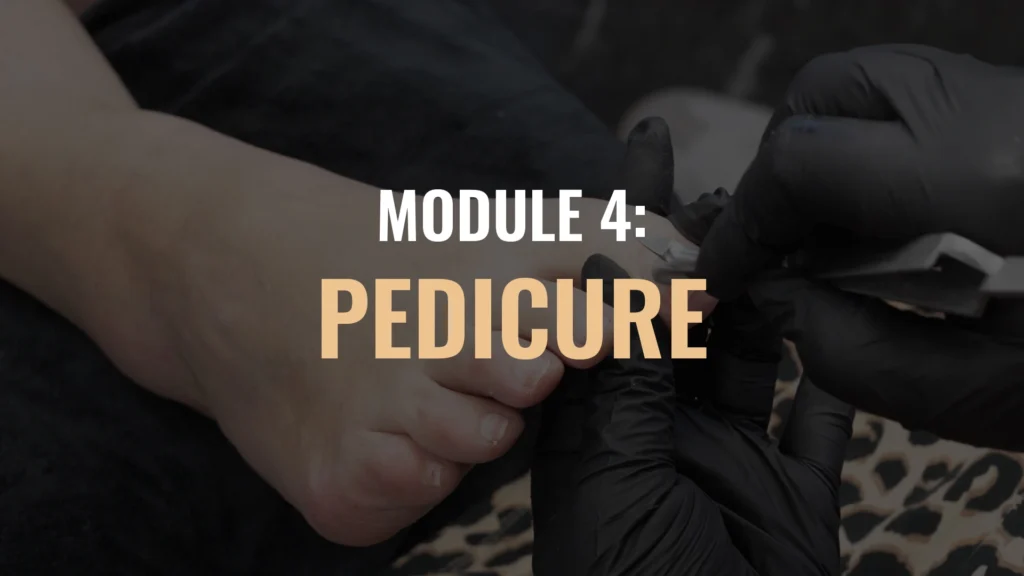
Introduction To Pedicure
—–
Pedicure Preparation
—–
Pedicure & Callus Removal
—–
Pedicure Massage Routine
—–
Pedicure Aftercare
Module 5: Working With Gel Polish
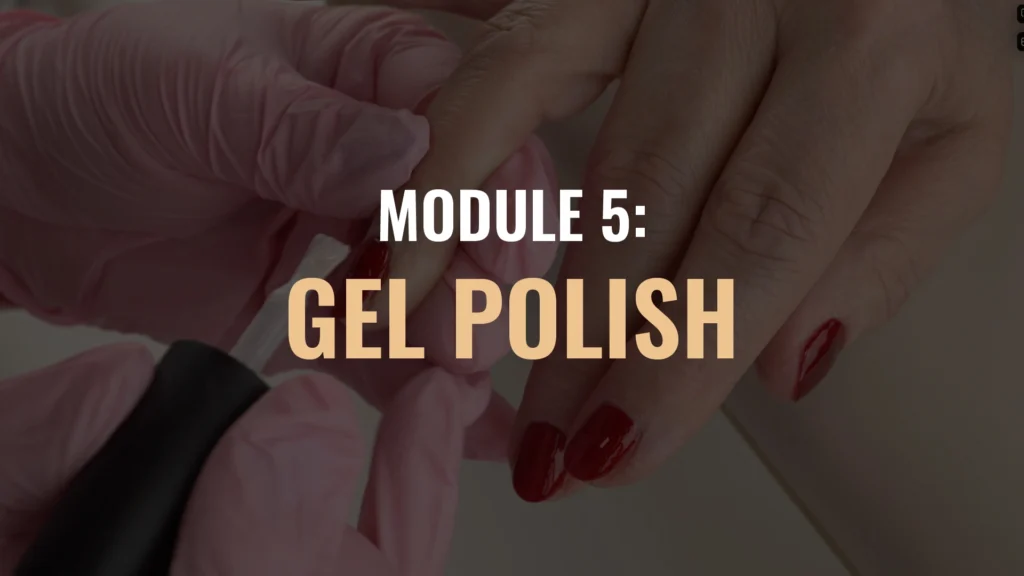
Introduction To Gel Polish
—–
Gel Polish Preparation
—–
Application of Base, Colour & Top Coat
—–
Curation, Timings & Inhibition Layers
—–
Removal of Gel Polish (Soak Off)
—–
Gel Polish Aftercare
Module 6: Using E-Files
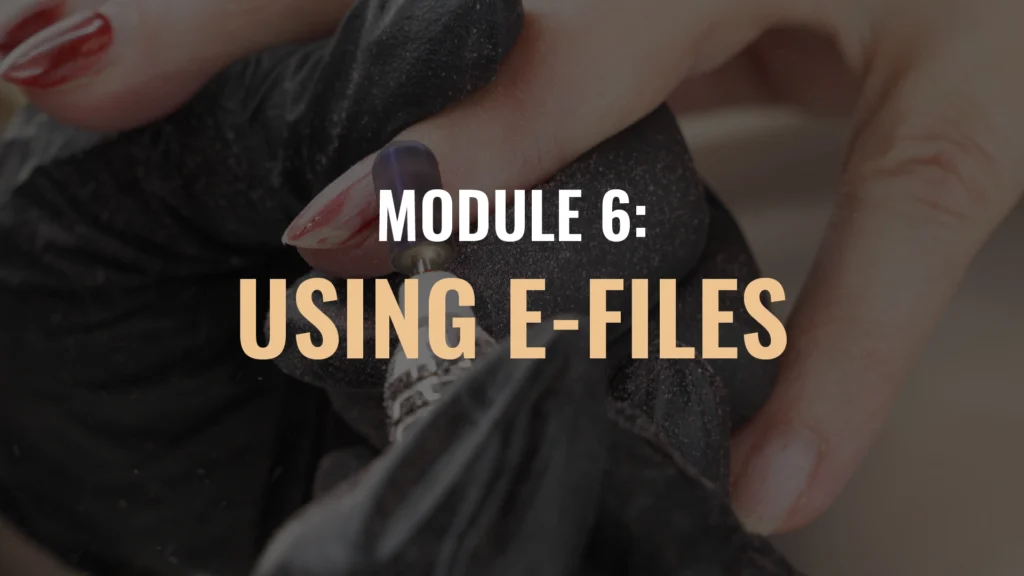
Introduction To E-Files
—–
Choosing The Right E-File & File Heads
—–
E-File Safety & Maintenance
—–
Gel Polish Demonstration Using An E-File
Module 7: Builder Gel
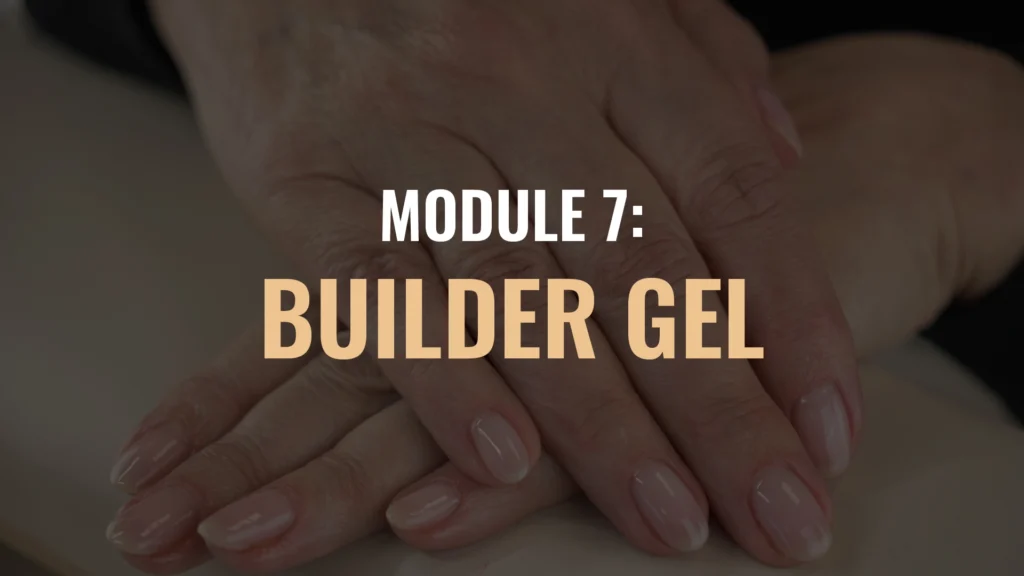
Introduction To Builder Gel
—–
Builder Gel Preparation
—–
Application of Builder Gel
—–
Using Forms to Extend up to 5mm
—–
Fixing Cracked Nails
—–
Refining Before Gel Polish Application
—–
Removal & Infilling
—–
Aftercare
Module 8: Acrylics
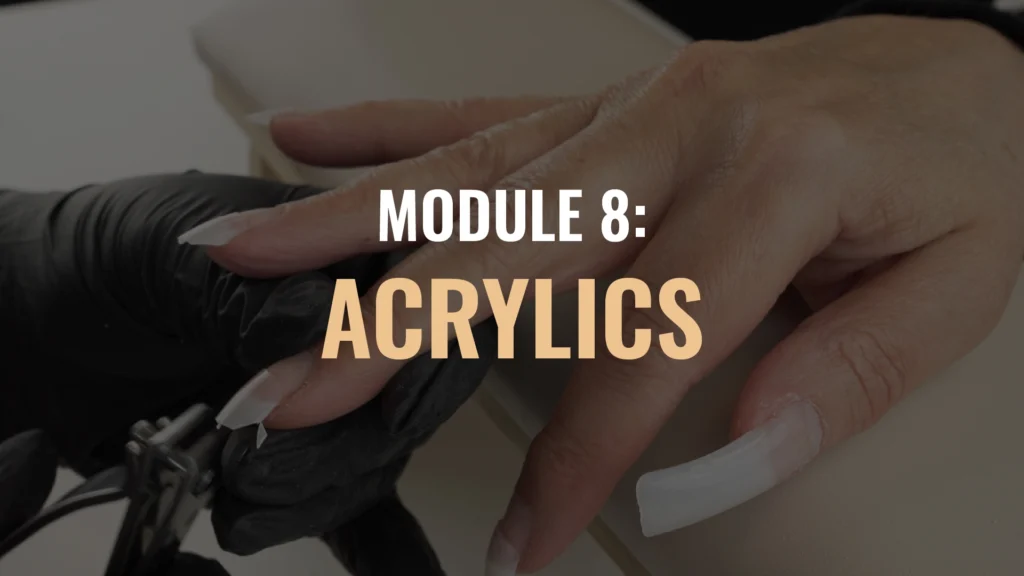
Introduction To Acrylics
—–
Acrylics Preparation
—–
Applying Forms – Application
—–
Application of Tips
—–
Bead Practicing – Ratios
—–
Building The Nail
—–
Refining – Ready For Polish
—–
Removal & Infilling
—–
Aftercare
Module 9: Nail Art & Design
Introduction To Nail Art & Design
—–
Different Tools Used In Nail Art
—–
Finding Inspiration
—–
French Polish
—–
Ombre
—–
Glitter
—–
Foils
—–
Animal Print
—–
Flowers
—–
Snowflakes
—–
Marbling
—–
Stamping
—–
Blooming Gel
Module 10: Course Wrap-Up
Congratulations!
—–
Next Steps
Business Section
Module 1: Introduction
Congratulations, Welcome To The course!
—–
Course Breakdown
—–
Recommendations & Disclaimer
Module 2: Launching On Social Media

Introduction To Facebook
—–
Creating A Professional Facebook Page
—–
Introduction To Instagram
—–
Creating A Professional Instagram Page
—–
Taking Photos For Social Media
—–
Using Canva To Create Content
—–
What Content Should You Post?
—–
Scheduling Your Social Media Posts
—–
How To Create Ads On Social Media
Module 3: Google Setup
Introduction To Google
—–
Creating A Professional Google Page
—–
How To Get 5 Star Reviews
Module 4: Registering Your Business
Introduction To Business
—–
Limited Company Vs. Sole Trader
—–
Setting Up As LTD/Sole Trader
—–
Beauty Business Models
—–
Beauty Insurance
—–
Beauty Licenses
—–
Securing A Premises
—–
Client Data & GDPR
Module 5: The 'WOW' Service
How To Present Yourself And Your Business
—–
Going Above & Beyond
—–
Securing A Rebooking
—–
Referral Program
—–
Loyalty Program
Module 6: Pricing Your Services
Things To Consider
—–
Pricing Strategy – Your First 10 Clients
—–
Calculating Profit & Loss
Module 7: Creating A Website

The Need For A Website
—–
Creating A Website
—–
Outsourcing Your Website Creation
Module 8: Health & Safety
Beauty Business Health & Safety
Module 9: Working With Suppliers
Working With Suppliers
—–
Ordering Stock
Module 10: Ready, Set... Launch!
Congratulations, You’ve Done It!
—–
Social Media Post
—–
Testimonial & Free Stuff!
Meet Some Of Our Successful Nail Course Students
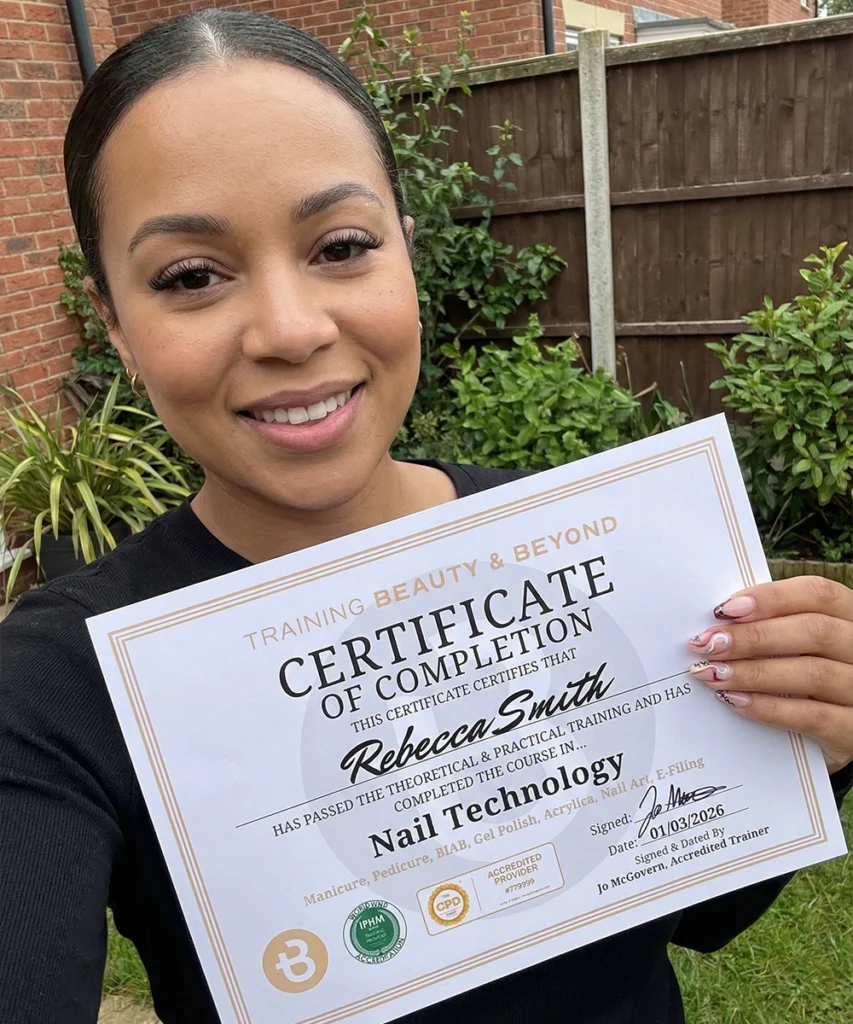
"I’m so happy I stopped putting it off!"
I’d be thinking about becoming a nail tech for about 3 years but life got in the way with having three little ones, so I wasn’t sure if I’d ever do it. After seeing training beauty and beyonds nail course, I was shocked with how much you got, so I decided to finalllllllly do it!!! The BEST decision I’ve ever made, the course content is so simple and in depth, plus my logo and kit is AMAZING. Jemma was incredibly helpful throughout studying too, so thank you Jemma. Just do it, you wont regret it!!! Bex xx
Rebecca, Nail Course Graduate
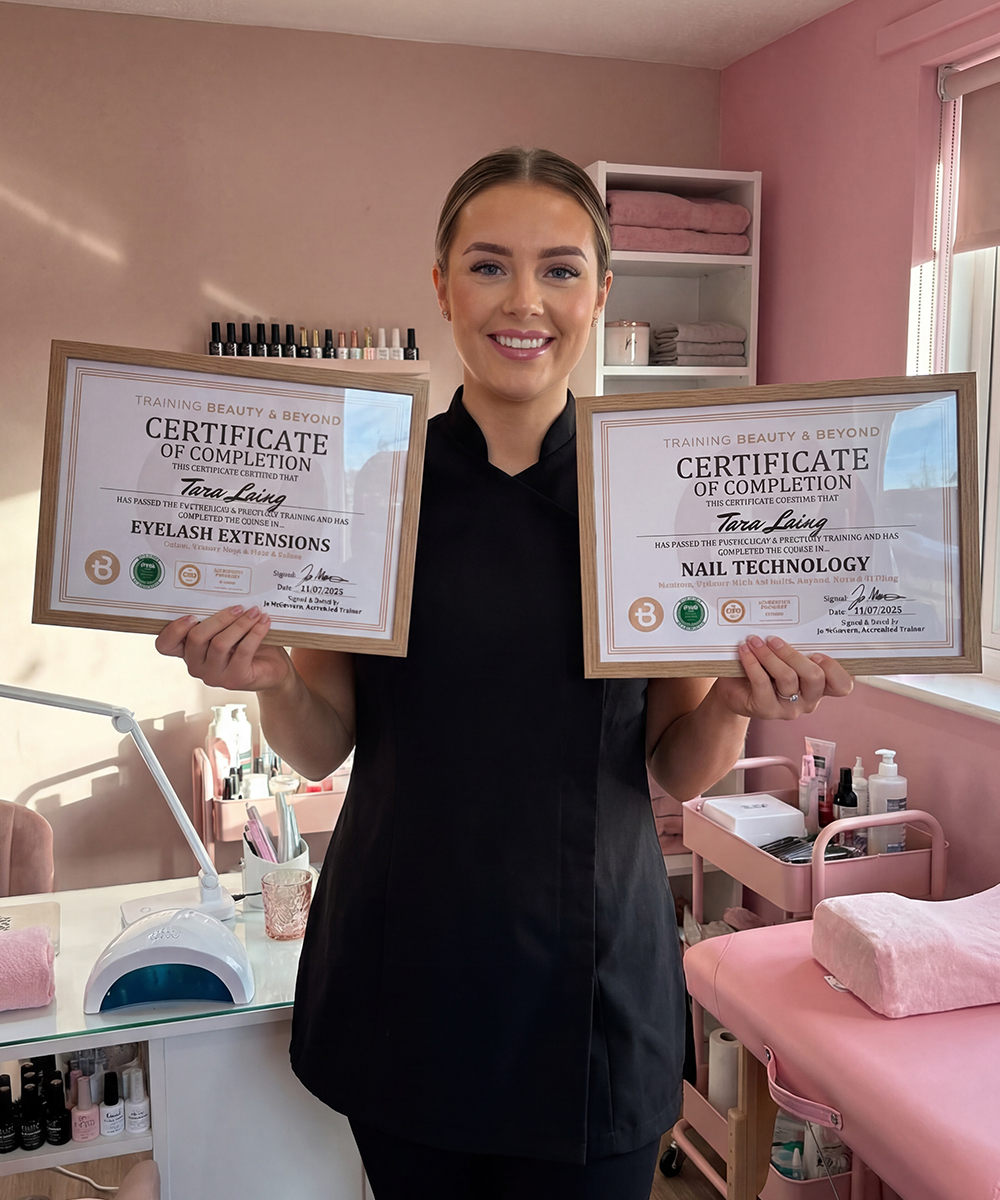
"It's The Best Feeling Working On Paying Clients"
After completing my beauty therapy course in college, I wanted to focus on nails and lashes and so enrolled on both courses. I never thought I would be where I am today and I wouldn’t have been able to do it without everyone at training beauty and beyond. I managed to quit my job and finally pursue my life long passion for beauty.
Tara, Lash & Nail Course Graduate
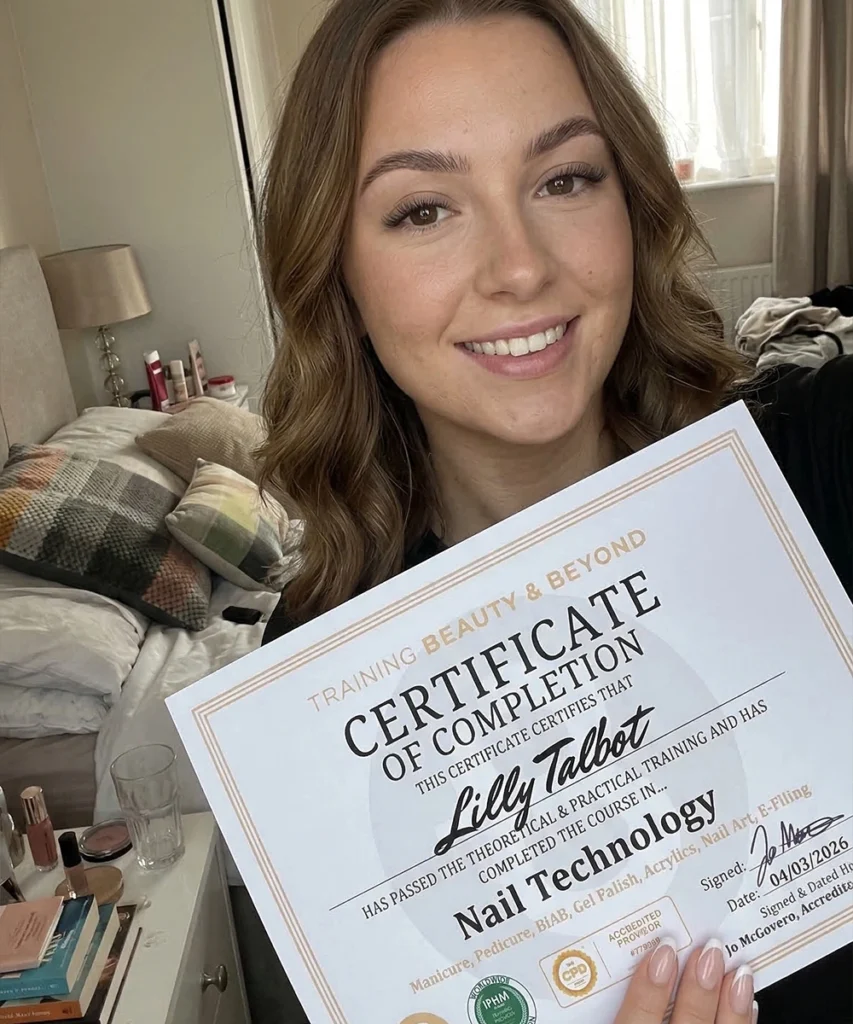
"Incredible from start to finish"
I cannot praise the whole team on Training Beauty & Beyond enough, I would give it 10 stars if I could! I spent so much time researching other courses but nothing really stood out to me like this one did. The fact you get a logo designed and your kit has the logo you chose on everything, just makes it seem really personal and professional. The platform with all the videos is great and the tutorials are very informative. I never thought I would be able to get so good at nails from an online course… 10000% worth it.
Lilly, Nail Course Graduate
So What Makes Our Online Nail Course Different?
Become fully qualified anytime, anywhere, and at your own pace.
A luxury custom made nail technician kit professionally branded with your logo proudly displayed.
A unique logo created and tailored for you by our very own in house design team.
Useful strategies and tips on how to set-up your own beauty practice.
1-to-1 coaching with your assigned lash tutor where you are shown live demos!
With different ways to pay, you can start your beauty journey today!
Accelerator course to show you exactly how to launch and grow your social media account.
24 hours a day, 7 days a week unrestricted access to all of your enrolled courses.
Receive accredited beauty qualifications with our regulators, IPHM Beauty & The CPD Group.
Nail Course
US vs OTHERS…
Training Beauty & Beyond’s Nail Course is award-winning for a reason!
What's Included

Other Courses
How to Enrol On Our Nail Course Online
STEP 1
Book a Call to Enrol
STEP 2
Discuss Your Goals
STEP 3
Start Learning!
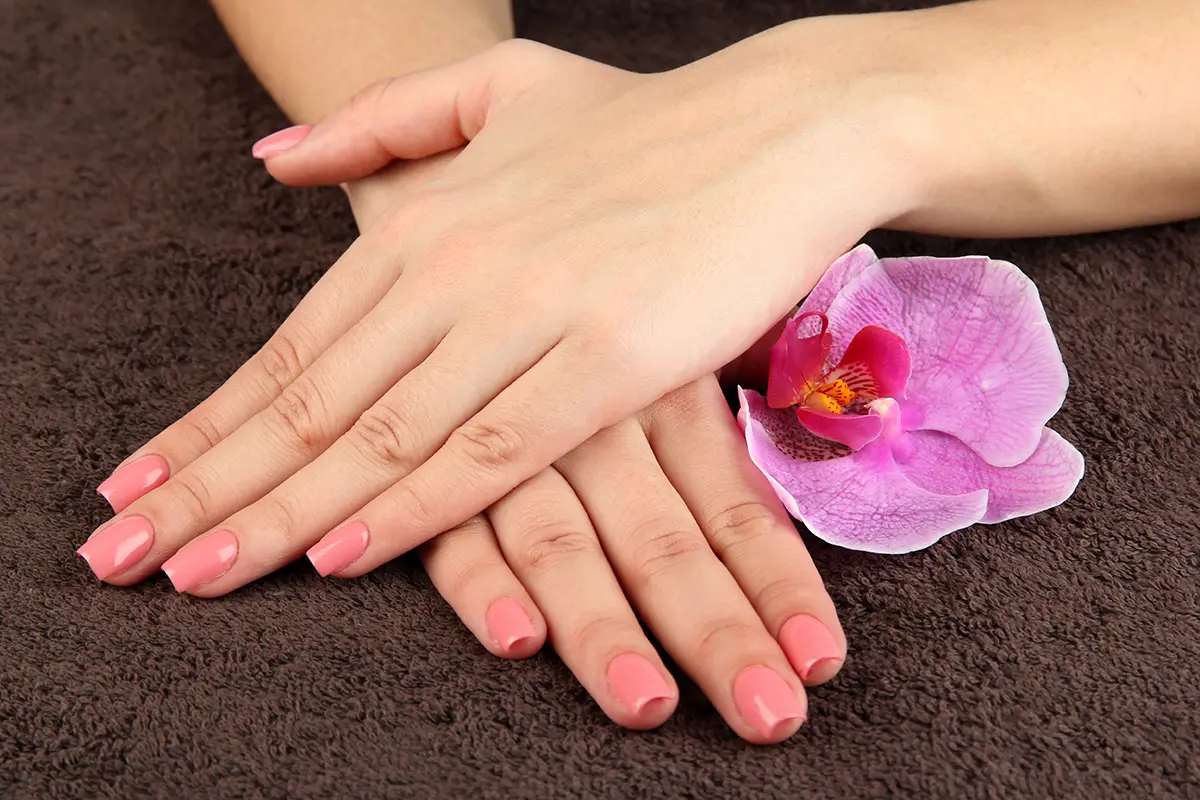
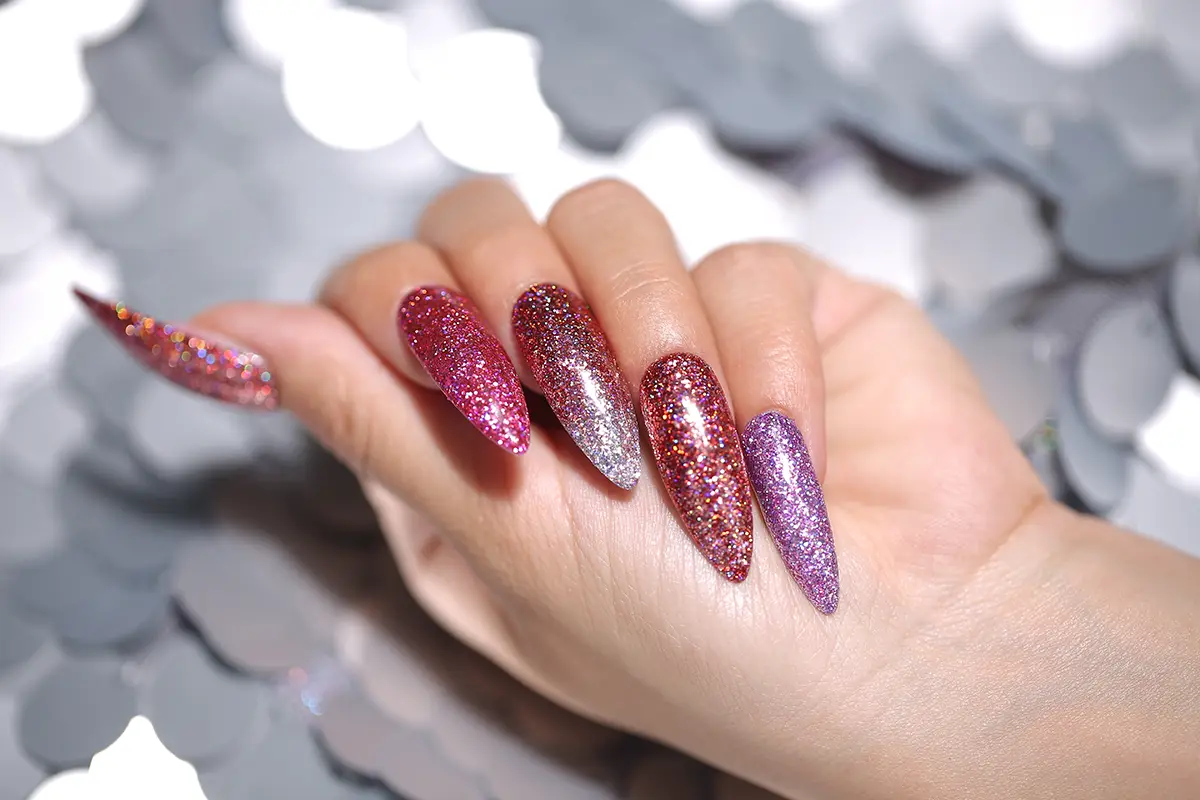
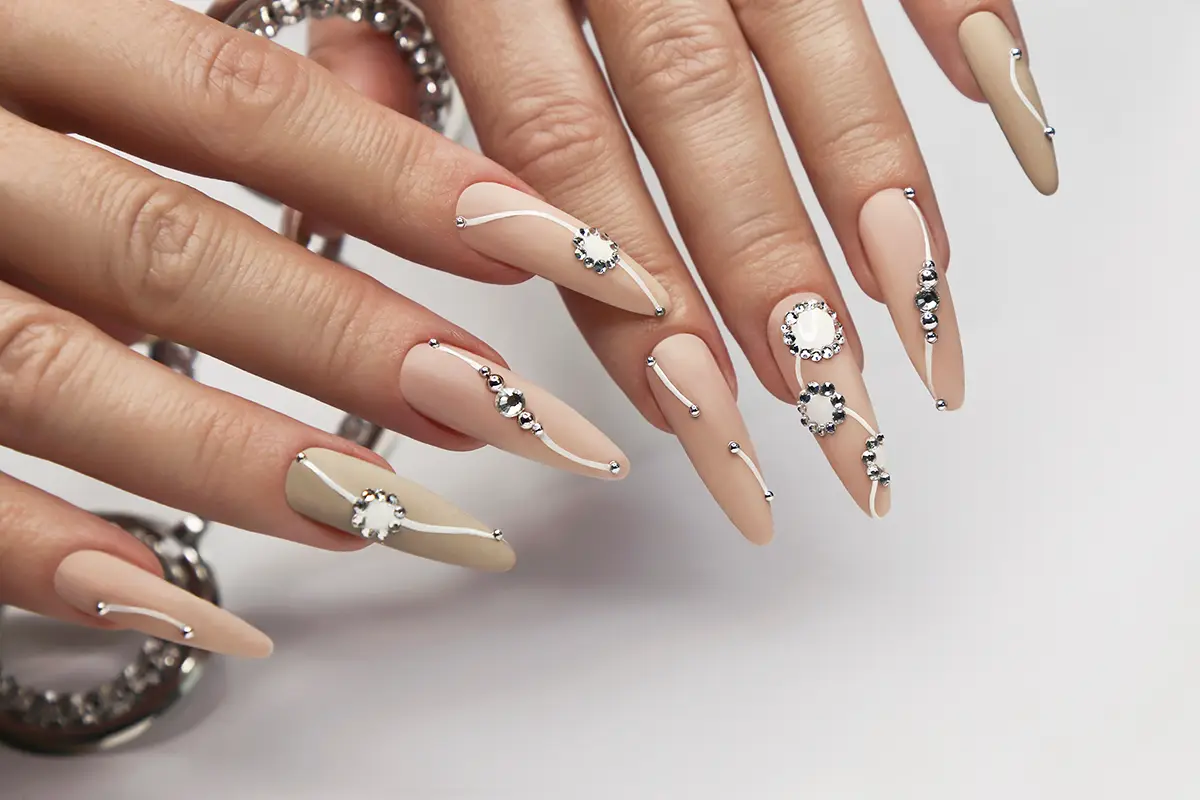
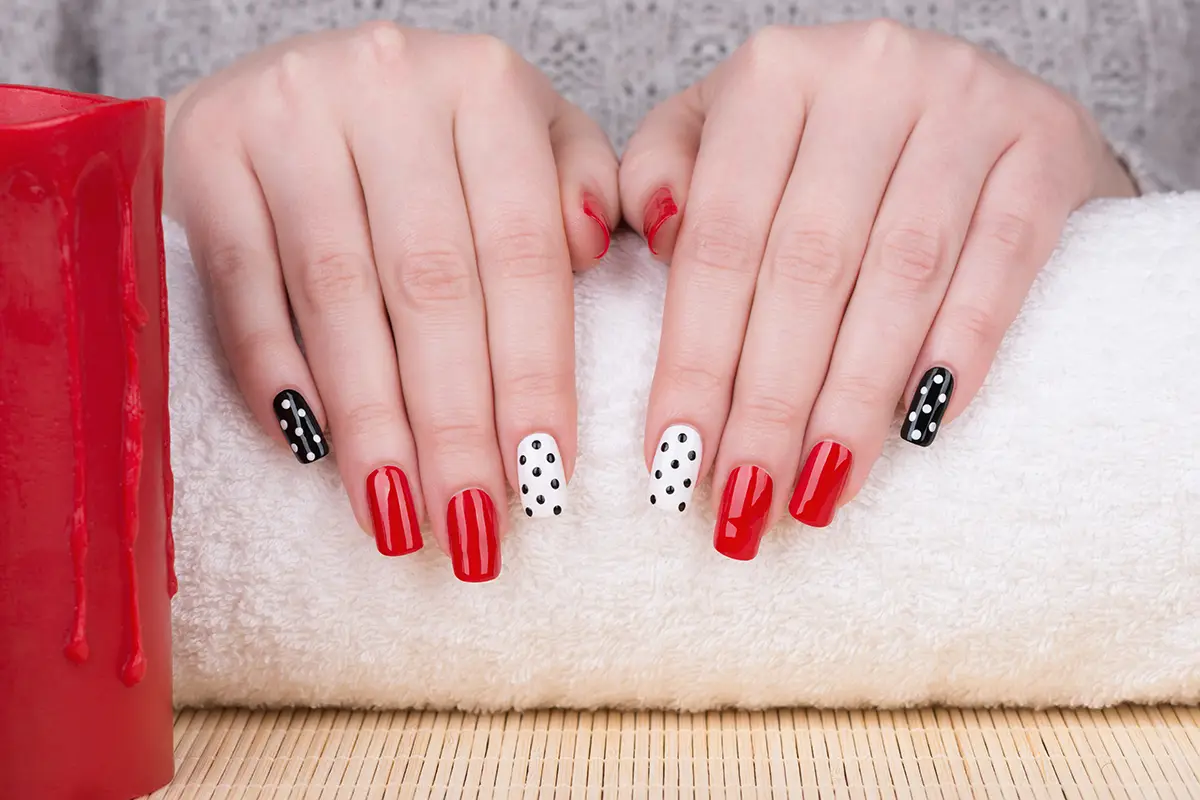
Qualify in All Nail Looks
You’ll be able to create the perfect look for every client with confidence.
Nail Course
Starting your journey into the nail industry can feel like a bold step, but you don’t have to take it alone. Our dedicated career consultants are here to offer guidance and encouragement from day one.
Curious how our top-rated Nail Course can transform your future? Just select a time from the calendar below. One of our approachable consultants will walk you through the details and answer any questions you have.
Enrolment is limited… Secure your consultation today and take that exciting first step toward becoming a certified nail technician!
Online Nail Course
When Can I Start the Nail Technicians Course?
You can start the Nail Course right away! Book a call with one of our Career Consultants using the calendar above to discuss your goals and to sign up. Your assigned eyelash extension course tutor will also give you a call to arrange your induction once you’re enrolled.
Will I Be Able to Start My Own Business After Completing the Online Nail Technicians Course?
Of course! We specialise in providing training for both the practical skills needed to excel, and how to set up and run a successful business.
We believe it’s important to be competent in both areas to maximise your success in this competitive industry. Our business training covers important aspects of running a thriving business, including growing a social media presence, managing client bookings, how to register a company, obtaining insurance, and more.
Does the Logo & Branding Design Cost Extra?
No, it doesn’t! We are happy to offer students access to our in-house branding team, to design a logo you’re happy with.
This service is completely free of charge and comes with all of our eyelash extension courses. You will also have the rights to use them wherever you please.
Do I Need Any Experience in Nails Before Starting?
The only prerequisite for our courses is a stable internet connection. You don’t need to have done an nail course before. We recommend using a large screen (tablet/laptop) to study, as most of the learning will be video-based. However, you are welcome to study on whichever device you feel most comfortable with. No prior experience or qualifications are required for our beginner-level courses. Our online nail technician courses start from the fundamentals of hygiene and anatomy before advancing step-by-step to professional product application.
Are There Any Deadlines?
Nope! You’ll have lifetime access to the courses you enrol in, and you can complete them at your own pace. There are no deadlines. If you need any refreshers or want to double-check your work, feel free to log back in whenever you wish.
How Does the Online Tutor Support Work?
Once you enrol in a course, your tutor will schedule a convenient time to call you, introduce themselves, and explain your next steps. It’s a great opportunity to get to know your tutor and ask any further questions you may have.
Throughout the course, you can schedule private 1-1 coaching sessions with your tutor via video chat to enhance your skills and address any areas you find challenging.
Can I Fail the Nail Course?
No, you can’t fail. Our courses are competency-based learning, meaning they are personalised and flexible. You can study at your own pace without the fear of failing or deadlines.
You can continue learning the same topic until you have mastered the skill and achieved the desired outcome. We want you to learn in a way that suits your style, so enjoy the learning process!
How Do the Nail Technician Assessments Work?
Our courses include a mixture of multiple-choice and practical assessments. Don’t worry, most of the assessments are practical since beauty services are mainly “hands-on.” There are no written exams.
Our tutors will guide you through the correct way to submit your assessments and assist you throughout the process.
Do I Have to Travel Anywhere to Become Qualified?
No, you don’t. You can be anywhere in the world! All assessments are conducted online, allowing you to gain your accredited qualification from the comfort of your home.
I Haven't Studied Anything in a Long Time... Will I Receive Help?
Don’t worry, many students feel the same way. You’re not alone! Your tutors are there for you every step of the way, and there’s no pressure from us.
Take your time, relax, and have fun! You can re-sit the assessments as many times as you like free of charge until you feel confident.
How Long Will It Take to Receive My Free Personalised Nail Kit?
Once you have confirmed your branding/ logo, the customisation process will begin immediately.
We aim to deliver your kit within three weeks, however this is usually quicker.
What Makes Your Different to Other Nail Course?
Unlike other courses, we take pride in ensuring you get a personal experience.
We are experts in taking a new aspiring beauty professional with absolutely no experience and turning them in to a super successful beauty entrepreneur.
How? By showing you a step-by-step guide on how to fill up your diary every week, whilst also training you to the highest possible level in the beauty service.
Duration: Flexible study options range from fast-track formats completed in 2 to 4 weeks to comprehensive diplomas studied over 3 to 6 months.
Leading Provider: Training Beauty & Beyond delivers industry-recognised certification, ongoing tutor feedback, and professional kits designed to launch successful beauty careers across the UK.
How Long Does It Take to Become a Qualified Nail Technician?
A common question among prospective students is: How long does it take to become a qualified nail technician? The short answer depends entirely on your chosen learning model and weekly study commitment:
Fast-Track Intensive (Online or Blended): Students dedicating 15 to 20 hours per week can complete all theoretical assessments, video case studies, and practical exams in as little as 2 to 4 weeks.
Standard Part-Time Study: Studying 4 to 6 hours per week around an existing full-time job or family commitments typically leads to certification within 8 to 12 weeks.
Comprehensive Multi-Diploma Pathways: Working through complete master tracks that combine Manicure, Pedicure, Gel Polish, BIAB, Acrylics, E-Filing, and Advanced Nail Art generally spans 3 to 6 months.
Because the courses at Training Beauty & Beyond feature lifetime access to digital learning portals, there are no rigid deadlines. You study at the pace that matches your schedule and lifestyle.
Which Accreditation Is Needed to Work in a Salon?
Before booking any course, it is vital to know which accreditation is needed to work in a salon. High-street salons, luxury spas, and insurance providers require certificates accredited by recognised beauty accreditation bodies (such as ABT – Associated Beauty Therapists, CPD Certification Service, or equivalent UK bodies).
These credentials confirm to employers that you have undergone verified training in:
Workplace health and safety regulations (COSHH).
Client consultation and data protection (GDPR).
Hygiene protocols to prevent blood-borne pathogens.
Safe mechanical and chemical enhancement practices.
Every qualification issued by Training Beauty & Beyond is fully accredited, allowing you to secure working insurance and apply confidently for open salon positions or council treatments licences.
Are You Looking for Beginner Certification or Advanced Nail Art Techniques?
When planning your training journey, consider: Are you looking for beginner certification or advanced nail art techniques? Identifying your current skill level ensures you choose a syllabus tailored to your goals:
For Complete Beginners: Start with a foundation package combining natural nail care, salon hygiene, basic manicure, and UV gel polish or BIAB application. This builds your confidence and hands-on skill before moving to extensions.
For Qualified Technicians Upskilling: If you already hold a core manicure certificate, focus on specialist modules like e-file masterclasses, 3D acrylic sculpting, ombré encapsulation, or freehand micro-art to increase your service menu pricing.
Our academic advisors at Training Beauty & Beyond are available to review your background and recommend the ideal course track for your experience level.
Do You Prefer Online Self-Paced Study or Hands-On Classroom Training?
Online Self-Paced Training
Maximum Flexibility & Convenience
- Re-watch complex technical demonstrations on demand
- Study around existing work and family commitments
- Submit practical case studies via high-definition video
- Lower overall tuition and equipment investment
- Lifetime access to updated course modules
In-Person Classroom Workshops
Fixed Timetable & Direct Contact
- Fixed geographic training venue
- Fixed 1 to 2 day intensive schedule
- Real-time, in-person tutor over-the-shoulder guidance
- Additional travel and accommodation expenses
- Limited tutor access once the workshop concludes
Why Choose Training Beauty & Beyond
Selecting the right training provider determines your confidence and competence as a nail professional. Training Beauty & Beyond stands as the leading provider of remote beauty education, universally recognised for delivering unparalleled student outcomes. Our courses boast an exceptional 4.9 star rating on our verified Trustpilot review profile, reflecting our unwavering commitment to your success.
- Industry-Leading Expertise: Our curriculums are written and updated regularly by award-winning nail masters and salon owners who understand current high-street trends and safety standards.
- Exceptional Results & Career Outcomes: Over 92% of our graduates launch successful mobile businesses or secure competitive salon chairs within three months of completing their certification with us.
- Unique Educational Approach: We blend rigorous scientific theory with highly visual, step-by-step practical modules, ensuring you understand the why behind every technique.
- The Speed and Access Advantage: Forget waiting for term start dates. Gain instant, lifetime access to your digital portal the moment you enrol, allowing you to learn at your own pace while enjoying unlimited support from your dedicated tutor.
How are my practical skills evaluated online?
You will submit high-definition photographic portfolios and video demonstrations of your prep work, product application, apex construction, and finished designs. Our qualified tutors review your work and provide actionable feedback before issuing your certification.
What happens if I fail a practical case study assessment?
There are no penalty fees for resubmitting practical assessments. If a submission does not meet the grading criteria, your assigned tutor will provide detailed guidance on what to correct, allowing you to refine your technique and resubmit with confidence.
Can I purchase professional-grade nail products with my certificate?
Yes. Accredited certificates from Training Beauty & Beyond are accepted by major trade-only beauty wholesalers and professional brands across the UK.
Online Nail Technician Courses with Starter Kit Included
When you enroll in our online nail technician courses you get a free starter kit included, you eliminate the guesswork of sourcing your own materials. Our educational model delivers the complete curriculum and premium physical tools simultaneously to your doorstep, facilitating immediate practical application.
We believe that high-quality training requires high-quality tools. Our starter kits do not merely contain tiny sample sizes; they feature full-sized, professional-grade products designed to last through your training and your first wave of clients. As you progress through the Training Beauty & Beyond digital campus, your physical kit remains perfectly synchronised with your online modules. For example, when a video tutorial covers natural nail preparation, your kit provides the exact grit of file, cuticle pusher, and dehydrator required to execute that step safely. This seamless integration ensures you develop correct muscle memory and professional product familiarity from day one.
Do You Offer At-Home Nail Training Certification with Supplies
Undertaking an at-home nail training certification complete with all the supplies you will need to complete the course. Through our platform shifts the traditional beauty school classroom into your living room, operating entirely around your personal lifestyle and commitments.
Our student learning framework follows a structured, logical progression:
- Theory Framework: Study anatomy, physiology, salon sanitation, and contraindications via your interactive online student dashboard.
- Practical Demonstration: Watch high-definition, multi-angle video tutorials detailing exact hand placements and product application pressures.
- Guided Practice: Replicate these techniques on your provided training hand or live models using your official supplies.
- Case Study Submission: Upload clear, high-resolution photographs or videos of your completed work directly to our student portal.
- Expert Assessment: Receive detailed, constructive feedback from our qualified educators who assess your bead consistency, apex placement, and cuticle neatness.
Learn Nail Artistry Online Complete with Professional Nail Kit
To truly stand out in a competitive market, you must move beyond basic manicures. When you learn nail artistry online which comes complete with a professional kit and resources provided in our packages, you will master contemporary, high-demand salon trends such as encapsulation, 3D line work, ombre blending, and freehand precision painting.
Our professional artistry kits supply you with highly pigmented gel paints, detailer brushes, chrome powders, and rhinestones. Mastering these advanced embellishments allows you to elevate your future service menu and command premium prices. The curriculum we offer at Training Beauty & Beyond focuses heavily on these profitable design techniques, teaching you not only how to execute stunning art but also how to price your artistry skills to maximize your business earnings.
Online Nail & Beauty Courses with Kits Included
The broader educational sector has undergone a massive transformation, with online nail & beauty courses becoming the gold standard for vocational learning. Our students are no longer required to commute to rigid, expensive weekend workshops that compress vast amounts of information into a few overwhelming hours.
Our distance learning format distributes this knowledge into digestible, bite-sized components. Whether you are studying lash extensions, brow lamination, or comprehensive nail design, receiving the physical tools alongside digital education bridges the gap between digital theory and physical mastery. This method allows you to review complex steps, like forming the perfect acrylic apex or performing a clean e-file cuticle clean, hundreds of times until it becomes second nature.
Distance Learning for Aesthetic Skills
Succeeding in distance learning for aesthetic skills requires self-motivation, attention to detail, and a structured environment. Because nail technology is an intensely tactile discipline, you must dedicate regular, uninterrupted time to practice with your kit.
If you thrive in an autonomous environment where you can tailor your learning speeds to your personal strengths, our platform offers unparalleled freedom. It allows you to build an independent business mindset while you study. Our private student community at Training Beauty & Beyond provides a thriving digital network where you can share progress images, ask advice, and network with thousands of fellow students across the country, ensuring you never feel isolated in your educational journey.
Online Acrylic Nail Extension Courses with Free Kit
Acrylics remain a foundational cornerstone of the beauty industry. Our comprehensive online acrylic nail extension courses teach you the delicate science of liquid-and-powder ratios. You will learn monomer control, tip application, blending, sculpting with forms, and filing structures. Your provided kit includes premium, low-odour monomers and ultra-fine polymer powders to prevent product lifting and maximize durability.
Gel Nail Art Online Course with UV Lamp Kit
As clients shift toward long-lasting, natural nail care, mastering gel overlays is essential. Our gel nail art online course which includes a free UV lamp kit equips you with a professional-grade, high-powered LED/UV lamp that guarantees a perfect, even cure. You will master builder gel application (BIAB), gel polishes, encapsulation, and safe removal processes that keep the natural nail completely healthy.
Accredited E-File Nail Training Online with Kit
Efficiency directly dictates your hourly revenue in a salon setting. Our accredited online e-file nail training teaches you how to safely operate an electric file to speed up your prep work, refine extensions, and cut down removal times by over 50%. The kit includes a high-torque, low-vibration electronic drill alongside a set of diamond and carbide bits designed for pristine cuticle work and surface smoothing.
Are You Looking for an Accredited Certification or Just a Hobbyist Course?
If your primary goal is to perform manicures on yourself or friends as a hobby, an unaccredited, basic video tutorial series may suffice. However, if your goal is to earn money, work in a salon, or launch a mobile business, you must obtain an accredited certification.
Accreditation ensures that your training meets strict industry safety and educational benchmarks. Crucially, it allows you to secure professional public liability insurance, which protects you and your clients from legal liabilities and gives you professional credibility. Without this accreditation, you will not be able to get insured or work on paying clients legally—which is why all our main qualification courses are fully accredited.
Do You Have a Preference between Acrylic, Gel, or Natural Nail Training?
Understanding your target market can shape your choice of training course:
- Natural Nail Care & Gel Polish: Perfect for clients seeking fast, minimalist, non-damaging treatments.
- Acrylic Extensions: Ideal for clients wanting extreme length, structural transformations, and dramatic statement art.
- Hard Gel & BIAB: The sweet spot for strengthening natural nails while providing a lightweight alternative to acrylics.
Many of our successful professionals choose a complete combo package with Training Beauty & Beyond to offer all three options, ensuring they never have to turn away a paying client.
What Is Your Budget for an Online Course with a Kit?
Investing in your education requires balancing upfront costs against long-term returns. Low-cost courses often omit physical supplies, leaving you to buy expensive tools separately, which costs more in the long run.
Look for comprehensive packages that bundle lifetime educational access, professional-grade kits, tutor support, and accreditation fees into a single price. Here at Training Beauty & Beyond, we offer transparent, all-inclusive pricing alongside interest-free instalment plans, making premium education accessible on almost any budget.
How Long Does an Online Nail Course Take to Complete?
To find the best online accredited nail courses for beginners, prioritize providers that offer full transparency regarding their accreditation bodies. Ensure the curriculum covers essential safety protocols, anatomy, and contraindications alongside practical styling work. Check our independent review platforms to verify student satisfaction, and rest assured that our courses include a physical starter kit containing professional-grade, full-sized tools rather than cheap sample products.
What are the Best Online Nail Courses for Beginners with Accreditation?
To find the best online accredited nail courses for beginners, prioritize providers that offer full transparency regarding their accreditation bodies. Ensure the curriculum covers essential safety protocols, anatomy, and contraindications alongside practical styling work. Check our independent review platforms to verify student satisfaction, and rest assured that our courses include a physical starter kit containing professional-grade, full-sized tools rather than cheap sample products.
How Long Does an Online Nail Course Take to Complete?
When asking ‘how long does an online nail course take to complete?’, the answer largely depends on your availability. Because our courses are fully self-paced, completion times vary based on your personal schedule and commitment level. On average, our dedicated students who practice a few hours each week complete a specialized module (such as Gel Polish or Acrylic Extensions) within 3 to 6 weeks. However, if you have other professional or family commitments, you can take up to a year or more. With Training Beauty & Beyond, your course access never expires, allowing you to learn without stress or artificial deadlines.
Do Online Nail Courses Give You a License?
Many students ask: do online nail courses give you a license? In the UK and many international regions, completing an accredited online nail course grants you a professional diploma or certification. This certificate acts as your essential credential to secure professional beauty insurance. Once insured, you can legally and safely operate a home salon, work as a mobile technician, or rent a chair in a commercial salon space. Always verify your specific local council requirements, as a tiny minority of jurisdictions require a specific practical local authority registration alongside your insurance policy.
Looking for Nail Courses Near Me?
Whether you live in London, Manchester or Edinburgh with our online nail courses you can complete your qualification course online without needing to leave your home. Our online courses make learning easy and stress-free.
Nail Course
Professional nail technician training is designed to transform enthusiastic beginners into skilled, commercially viable aesthetic specialists. The UK beauty sector has experienced rapid, continuous growth, driven by consumer demand for durable enhancements, bespoke nail art, and restorative natural nail care. Completing a structured training programme provides the legal grounding, anatomical knowledge, and manual dexterity required to meet these industry standards.
Online learning pathways combine high-definition clinical demonstrations with detailed theoretical modules covering pathology, sanitation, and client consultation. This approach allows students to master the foundational chemistry behind monomer and polymer bonds, oligomer curing mechanisms, and natural nail health while balancing existing work and personal commitments.
If you’re looking to build a career in the beauty industry with services that offer consistent demand and repeat clients, nail treatments are the perfect place to start. At Training Beauty & Beyond, we help aspiring beauty professionals develop the practical skills and confidence needed to deliver high-quality nail services clients love.
Whether you’re a complete beginner or ready to expand your existing skills, our flexible online courses are designed to fit around your lifestyle while giving you real, industry-ready knowledge you can apply straight away.
Many of our students begin with nail treatments and go on to expand their services with our Eyelash Lift and Tint Course, enhance their offering with our Eyelash Extensions Course, or develop their creativity with our Makeup Course.
Our step-by-step training doesn’t just teach you nail techniques – it gives you the confidence, knowledge, and support to build a successful and sustainable beauty business.

Related to our nail course...
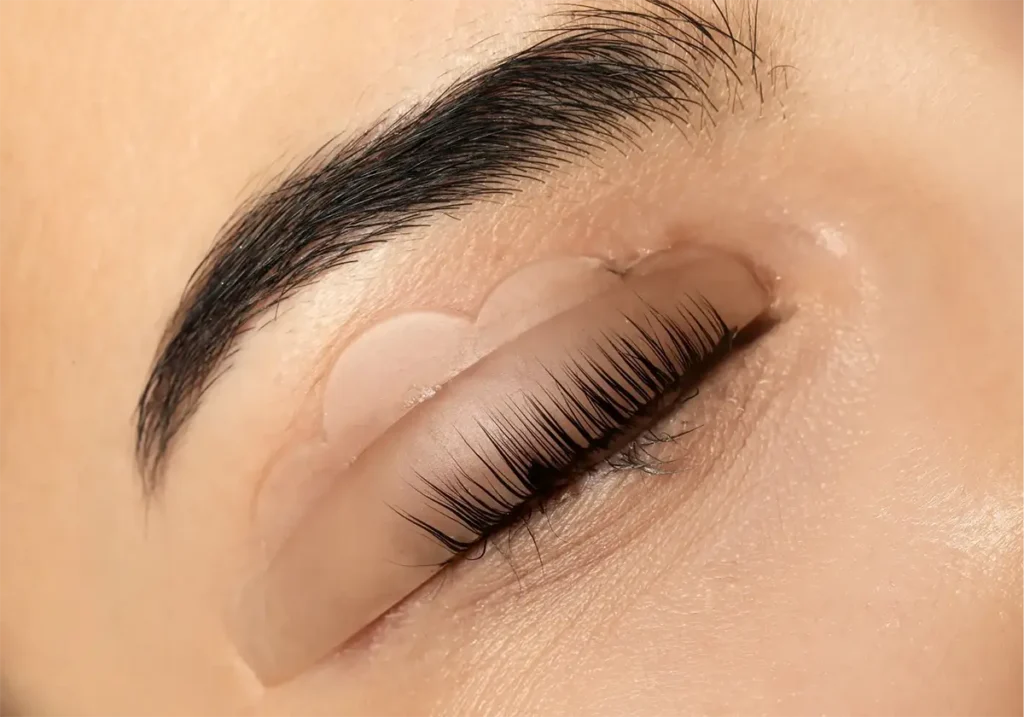
A perfect add-on for lash techs, this course teaches you how to lift and tint natural lashes to offer clients a low-maintenance, eye-enhancing treatment.
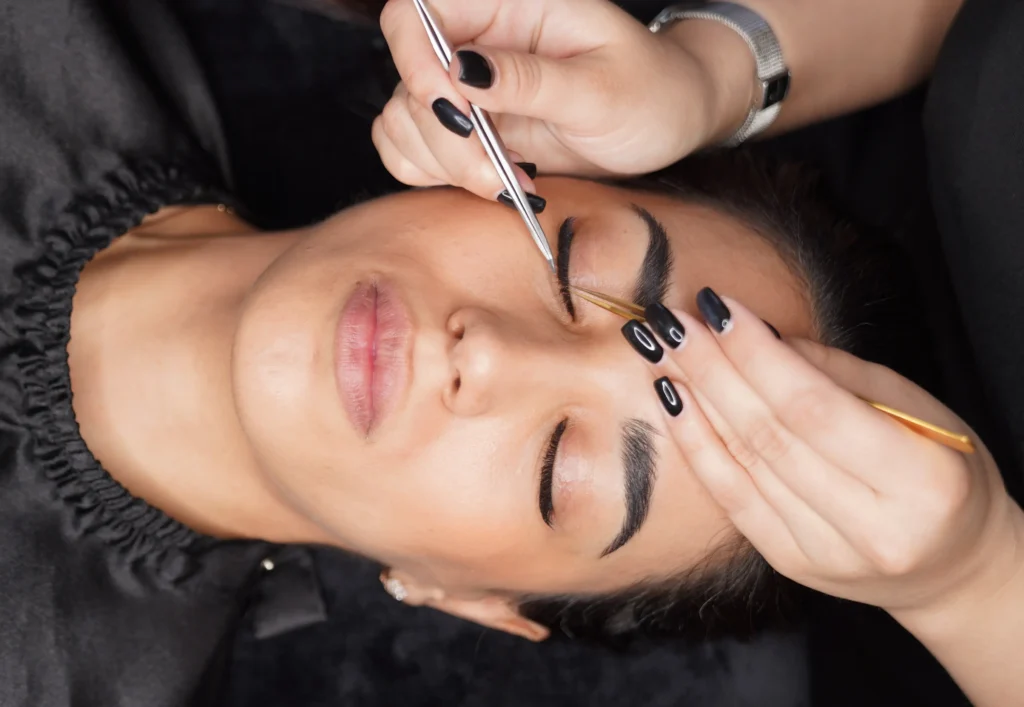

From natural to glam, this course teaches you professional makeup techniques to create flawless looks for any occasion – perfect for aspiring makeup artists.