Skip to content
Health and safety isn’t usually the most interesting thing for someone training to be a nail technician, but it is one of the most crucial.
Health and safety laws apply to all cosmetic treatments, including nail services, and are essential for anyone entering this growing industry in the UK.
We go through health and safety law completely, in our accredited nail tech course, so you don’t have to work out what you need to do to be safe.
If you’re going to have a professional nail business in the UK, knowing what the law expects of you isn’t something you can skip – it looks after you, looks after your clients, and looks after how people see your work.
Some of this might feel like a lot when you’re learning, and that’s okay.
The important thing is to get a good idea of what’s needed early, so you can be sure you’re doing things correctly when you start to work with people paying you.
You need to comply with all necessary Health and Safety laws to protect yourself and your clients.
Let’s look at it correctly.
Introduction to the Nail Industry
The nail industry is one of the most dynamic and fast-growing sectors within the UK beauty industry, offering a wealth of opportunities for those looking to build a creative and rewarding career.
As the demand for professional nail treatments continues to rise, skilled nail technicians are more sought after than ever, whether in busy nail salons, luxury spas, or running their own nail business.
To become a nail technician, it’s essential to complete a comprehensive nail course that cover everything from the basics of nail care and manicures to advanced nail technology, including gel polish, gel nails, acrylic nails, and intricate nail art. If you are looking for an online course make sure to find a course with one to one tutor support as it is a real game‑changer for students. It transforms a course from just information you read or watch into skills you can actually use.
These courses not only teach you the technical skills needed for different treatments, such as nail extensions and pedicures, but also provide vital knowledge about safety requirements, hygiene, and client care ensuring you’re fully qualified to deliver high-quality nail services.
A career as a professional nail technician is incredibly versatile.
You might choose to work in a salon, join a team of beauty therapists, or become self-employed, offering mobile nail services or even opening your own salon or limited company.
Many nail techs enjoy the flexibility of building their own business, setting their treatment menu, and working around their lifestyle.
With distance learning and online nail technician courses now widely available, it’s easier than ever to train from home and gain accredited qualifications at your own pace.
Success in the nail industry relies on more than just technical ability.
Desirable skills such as creativity, attention to detail, active listening skills, and the ability to remain calm under pressure are all essential for building a loyal client base and delivering a great client experience.
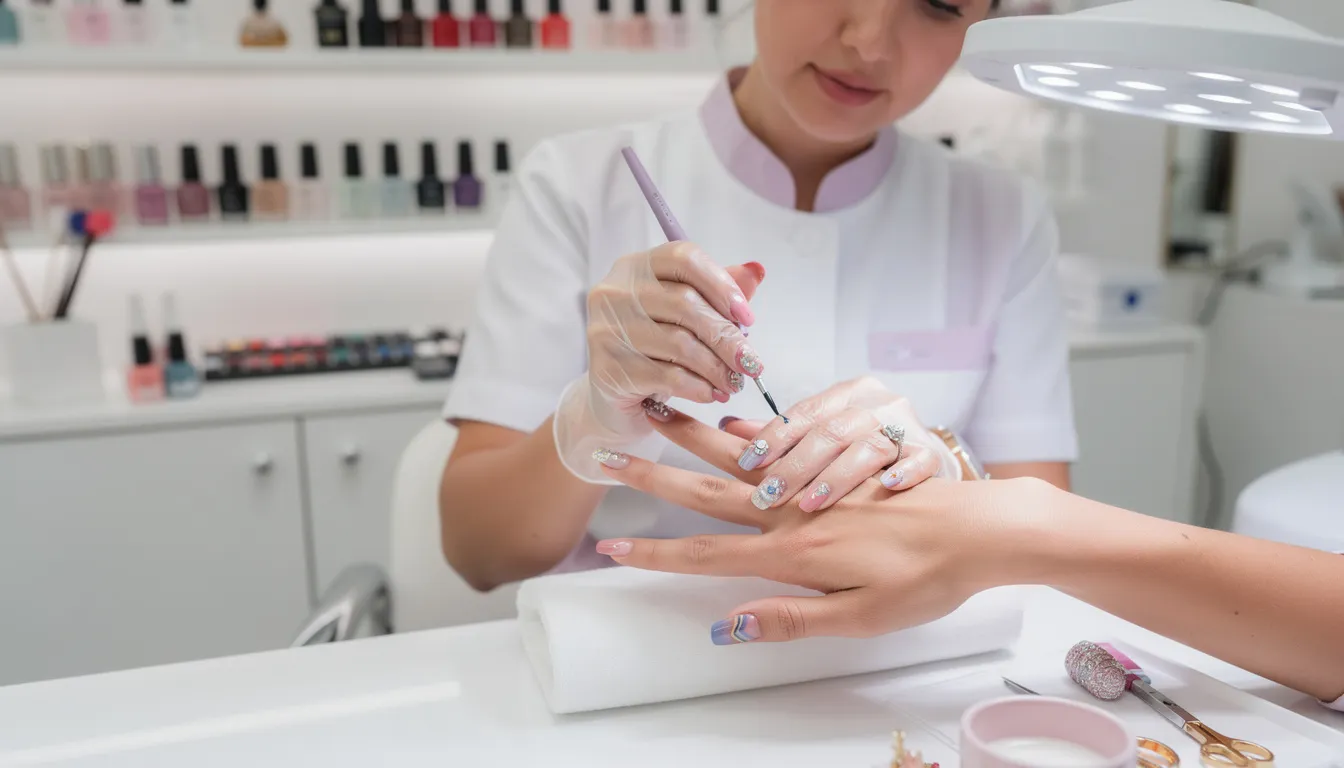
Staying up-to-date with the latest trends, brands, and techniques in nail technology will help you offer more services and stand out from other candidates in a competitive market.
Running a nail technician business also means understanding the importance of professional insurance, such as public liability insurance and professional indemnity insurance, to protect yourself and your clients.
Accurate financial records, clear pricing, and honest advertising are all part of building trust and running a successful business.
Whether you’re just starting out, looking to add more skills, or aiming to offer advanced services, the nail industry offers a vibrant and supportive community for those passionate about beauty and client care.
With the right training, ongoing support, and a commitment to high standards, you can enjoy a fulfilling career as a professional nail technician – providing essential nail treatments, building a loyal client base, and shaping your own future in the beauty industry.
The Health and Safety at Work Act 1974
This is the basic law for safety at work in the UK.
The Health and Safety at Work Act says that both those who employ people, and the people who are employed, must make sure that where they work is safe.
For nail technicians, this means:
- Keeping down how much of chemicals people are exposed to;
- Not letting people trip over things;
- Keeping work areas clean;
- Making sure equipment is used safely;
Giving the right training.
This is true even if you work for yourself.
A safe salon isn’t just about not being fined. It shows you are a professional. Clients will trust technicians who clearly follow standards that are known.
Risk Assessments: Your First Defence
A risk assessment finds possible dangers and says how you will reduce them.
Ask yourself:
- Are electric cables in a safe place?
- Are products put away safely?
- Is there enough air getting into the room?
- Are the paths people walk on clear?
Risk assessments are something the law says you must do, but they are also sensible.
They make you think ahead, reduce accidents, and protect your business.
You should look at them regularly and change them if anything changes in how your salon is set up.
Safety and Keeping Equipment in Good Order
You depend on tools every day as a nail technician.
The Provision and Use of Work Equipment Regulations says that:
- Nail drills must be kept in good order;
- UV and LED lamps must be safe and checked;
- Electrical tools must be checked regularly;
Checking and maintaining equipment is one of the important day to day tasks for nail technicians.
Tools which don’t work must be taken out of use right away.
Using tools which are damaged doesn’t only risk hurting someone, it damages how people see you.
Checking tools should be a normal part of what you do as a professional.
Fire Safety – What You Must Do
Fire safety applies to every salon.
You must:
- Keep exits clear;
- Have fire extinguishers which are right for the job;
- Put up clear ways of getting people out of the building;
Make sure staff know what to do if there’s a fire.
If you work in a place you rent, you might share the responsibility, but you are still responsible for knowing what the safety rules are.
Manual Handling and Strain at Work
The rules about Manual Handling aren’t only about lifting heavy boxes.
They apply to:
- Moving deliveries of supplies;
- Lifting salon furniture;
Strain from a bad posture, which happens again and again.
Back pain and wrist strain are common in the nail business. Using the right ways of lifting and setting up your work area so it is good for your body, protects your health in the long term.
Your body is part of your business.
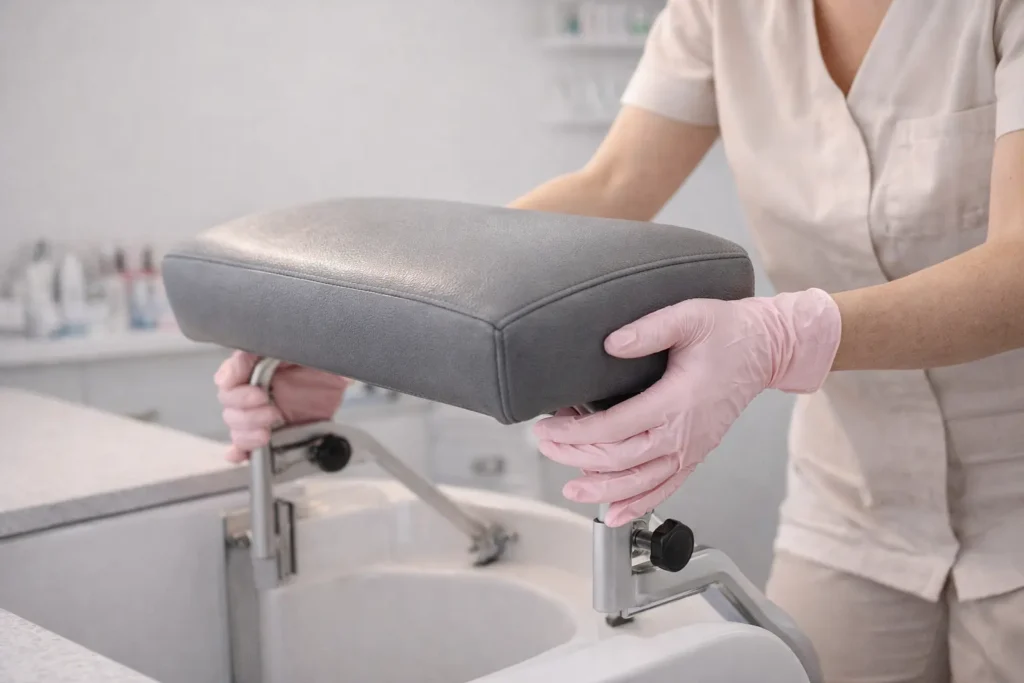
PPE and Protection from Chemicals.
Personal Protective Equipment is very important in nail services. Gloves, masks, and eye protection – when needed – are all important.
Dust from filing, product fumes and being exposed to chemicals for a long period can, with time, lead to breathing problems.
Nail technicians must also protect their skin from chemical exposure, especially when removing dead skin during treatments, as these products can affect both the nails and surrounding skin.
Under COSHH – that’s the Control of Substances Hazardous to Health – you absolutely have to:
- Keep chemicals locked up safely
- Do what the makers of products tell you to do
- Make sure there is good airflow in the room
Give training to anyone who uses the products.
Acetone, primers, adhesives and cleaning products all come under this.
Expert nail courses should always cover COSHH.
RIDDOR: Reporting Serious Problems
RIDDOR is where you report serious accidents or illnesses at work.
This covers:
- Serious injuries
- Very dangerous events
- Illnesses caused by work
So, a member of staff getting breathing trouble from chemicals might need reporting.
Most smaller salons won’t often see this, but knowing what you should do is part of keeping things legal.
Public Liability Insurance and Legal Cover
UK nail techs should have the right insurance. Public liability insurance is important to cover your business against injuries or damage to clients or their property, including when working in a client’s home.
This could be:
- Insurance for when members of the public are hurt
- Insurance for staff, if you employ people
Insurance covers you if:
- A client has an allergic reaction
- Someone gets hurt in your salon
- A product does someone harm
Professional indemnity insurance is advisable for nail technicians to cover claims of negligence or sub-standard work.
Loads of places and landlords will want to see proof of insurance. Insurance can also protect you if you sell products to clients.
Going without is a big risk. Being affiliated with organisations like IPHM Beauty can help you secure recognised professional insurance.

Protecting Your Clients and What the Law Says
There are several laws to look after clients.
This means:
- The treatments you give need to be what you say they are
- Products you sell, such as nail polish, need to be safe and what they’re described as
- You mustn’t mislead clients
Being clear about prices, being honest in your advertising and giving correct descriptions of treatments is not just good for business. It’s what the law expects.
Looking After Client Information and Keeping it Private
You must keep client details safely.
You’re in charge of:
- Keeping personal details secure
- Not giving out information without permission
- Only using information for proper business reasons
Even a simple form from a consultation has sensitive details on it.
Being professional includes protecting people’s privacy.
First Aid, Treating Everyone Equally and Making Things Easy to Access
Each salon needs to:
- Have a basic first aid kit
- Have someone who is first aid trained
- Treat all clients the same
The law says you can’t discriminate and you should make reasonable changes for clients who have disabilities.
Making things easy to access is part of being professional.
Dealing with Waste and Keeping Things Hygienic
Getting rid of – correctly – :
- Chemical waste
- Items for one use only
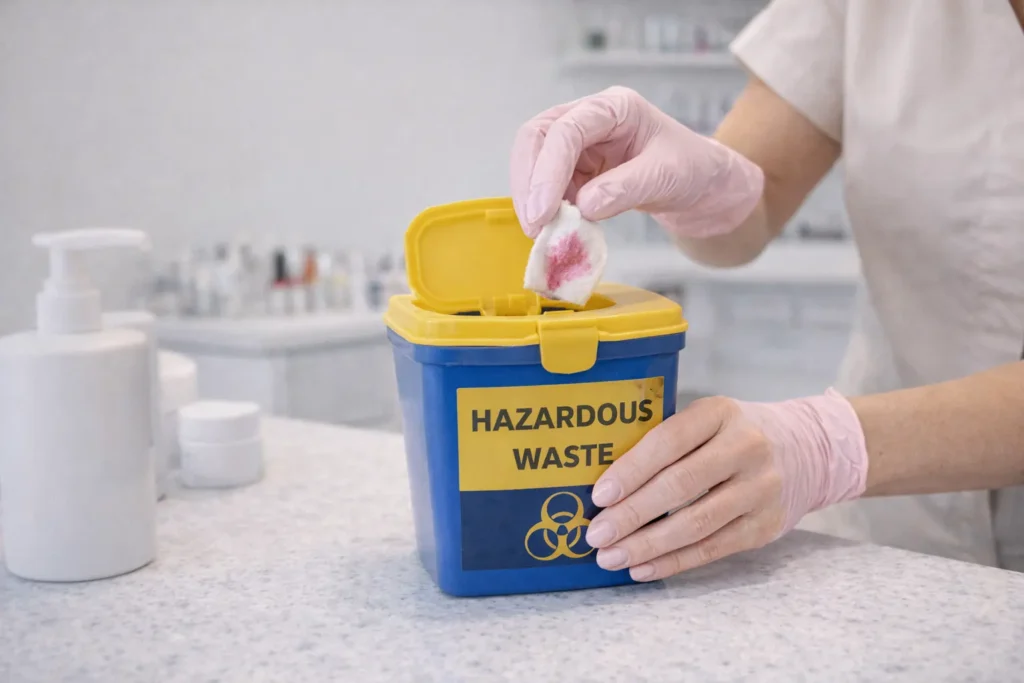
It is essential to hygienically dispose of any materials used for grooming and decorating client’s fingernails, such as files, buffers, and cotton pads, to prevent cross-contamination and maintain professional standards.
Things which have been contaminated is vital for safety.
Towels you use more than once must be properly cleaned. Wash your hands regularly. You can’t smoke in enclosed workplaces.
Cleanliness isn’t just about looks. It’s about the law.
Why This Is Important For Your Nail Work
At first, health and safety laws might seem a lot to take in.
However, here’s what’s true.
Clients can tell if a salon is safe. They notice how organised it is. They notice if there’s good ventilation. They notice how clean it is.
Following the rules builds trust.
Knowing what the UK nail salon rules are makes you different from people who do it as a hobby and technicians who haven’t had training.
In our accredited nail technician training, we take you through all of these things – clearly and in a way you can use – so you’re sure when you’re ready to open your salon.
Final Thoughts
Health and safety laws aren’t there to make your life harder.
They are there to look after you, your clients and your business.
The best nail technicians aren’t just good at what they do. They follow the rules, are organised and are responsible.
Get your skills. Get your knowledge. And build your business on a good base.