Skip to content
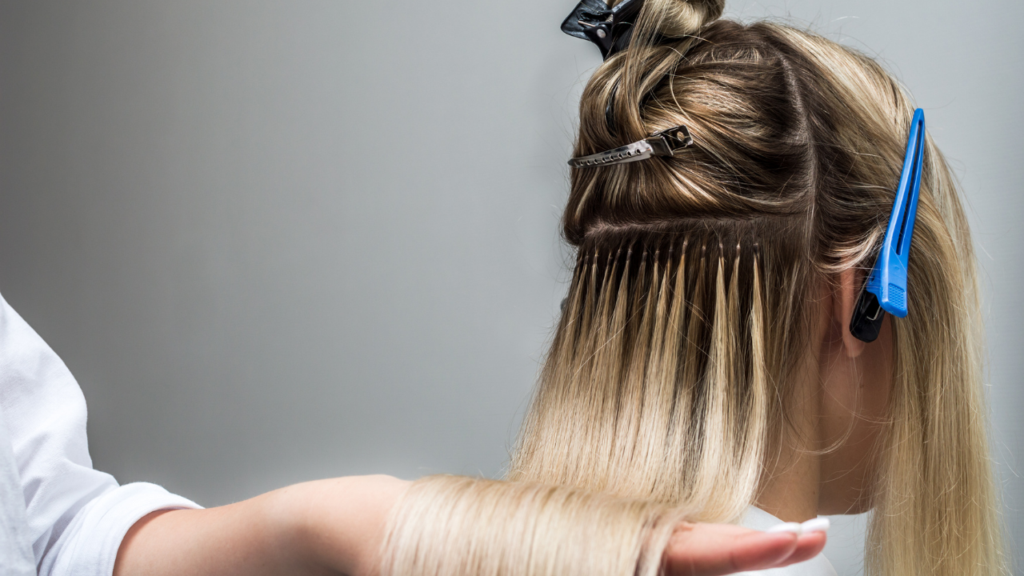
This guide is designed for aspiring hair extension technicians, beauty professionals, and anyone interested in learning about hair extension options.
Knowing the differences between hair extension types helps you make informed choices for your hair goals and ensures the best results for clients or personal use.
Whether you are a true hair aficionado ready to finally profit from your favourite hobby, or simply want to know some extra details before you commit to the industry, chances are that you have a lot of questions.
Which type of hair extension is the best? Which types of extensions last the longest? Here’s everything you should know before you sign up for our Accredited Online Beauty Courses.
This guide is designed for aspiring hair extension technicians, beauty professionals, and anyone interested in learning about hair extension options.
Knowing the differences between hair extension types helps you make informed choices for your hair goals and ensures the best results for clients or personal use.
You have surely seen the endless options for detachable wefts that are available today.
These shiny bundles are ready to add length, offer coveted volume, or add colour to your hair. For top-level Hair Extension Technicians, in particular, having a beauty arsenal filled with the best sets to match your clients’ individual needs is extremely important.
From clip in extensions – one of the most versatile and popular temporary hair extension options—to tape-ins, weaves, pre-bonded, fusion, and micro-link, we put together the ultimate guide for all your hair-related concerns.
Temporary hair extensions like clip-ins are ideal for quick styling changes, special occasions, or adding volume without long-term commitment. This guide covers a wide range of hair extension types, helping you understand the differences and benefits of each.
We’ll also introduce you to various extension methods, so you can choose the right technique for every client.
Introduction to Hair Extensions
Hair extensions have become an essential tool for anyone looking to transform their natural hair, whether it’s for added volume, length, or a splash of colour.
With so many types of hair extensions available, from clip in hair extensions and tape in hair extensions to more permanent hair extensions, there’s a solution for every style and need.
Human hair extensions, especially remy hair, are highly sought after for their natural look and seamless blend with your own natural hair, making them a favourite among both clients and professionals.
Real hair extensions, particularly real human hair extensions, are valued for their premium quality, natural appearance, and styling versatility – they can be curled, straightened, and coloured just like your own hair. Real human hair extensions can also be styled with heat tools such as curling irons, but synthetic hair should not be exposed to such heat as it can melt or become damaged.
Most human hair used for extensions is sourced from donors in India and China, ensuring high quality, better blending, and longevity.
For those on a budget or seeking a temporary change, synthetic extensions offer an affordable and versatile alternative. However, unlike real hair extensions, synthetic options do not provide the same natural look, premium feel, or heat styling flexibility as real hair.
No matter your hair goals, understanding the different types of hair extensions can help you achieve the look you want while maintaining the health and integrity of your hair.
What Are Human Hair Extensions and Synthetic Hair Extensions?
-
Human Hair Extensions: Made from real human hair, often sourced from donors in India and China. Human hair extensions can be styled and treated just like natural hair, including curling and straightening, but should use lower heat settings.
With proper care, human hair extensions can last up to one year. They blend seamlessly with natural hair and offer premium quality and styling versatility.
-
Synthetic Hair Extensions: Made from fine plastic fibers designed to mimic human hair. Synthetic hair extensions are generally stiffer and do not blend as well with natural hair compared to human hair extensions.
They cannot withstand heat styling and can be damaged by heat. Typically, synthetic hair extensions last only a few months. While they are cheaper than human hair extensions, they come with a trade-off in terms of durability and styling options.
Understanding these differences is crucial for making the right choice for your needs and expectations.
The 6 Different Types of Hair Extensions
Below are the main types of hair extensions, each with unique application methods, longevity, and maintenance requirements.
Some methods, such as tape-ins and microlinks, are considered semi permanent extensions or a semi permanent solution, offering a balance between long-lasting results and easy removability compared to temporary options.
Clip-in Hair Extensions
Application
-
Clip-ins come in ready-to-use strands of contoured pieces with pre-attached clips at the base. These are known as clip-in wefts—sections of hair with attached clips designed for quick, damage-free, and temporary application.
-
Simply clip them to the client’s natural hair for instant length and volume.
-
No chemicals, heat, or pressure required.
Longevity
-
Typically last 3–6 months with proper care.
Maintenance
-
Considered one of the lowest maintenance hair extensions.
-
Easy to apply and remove at home in 5–15 minutes.
-
Minimal upkeep required.
Pros & Cons
-
Pros: Least damaging, temporary, reusable, easy to use.
-
Cons: Not suitable for permanent wear, may need daily application.

Tape-In Hair Extensions
Application
-
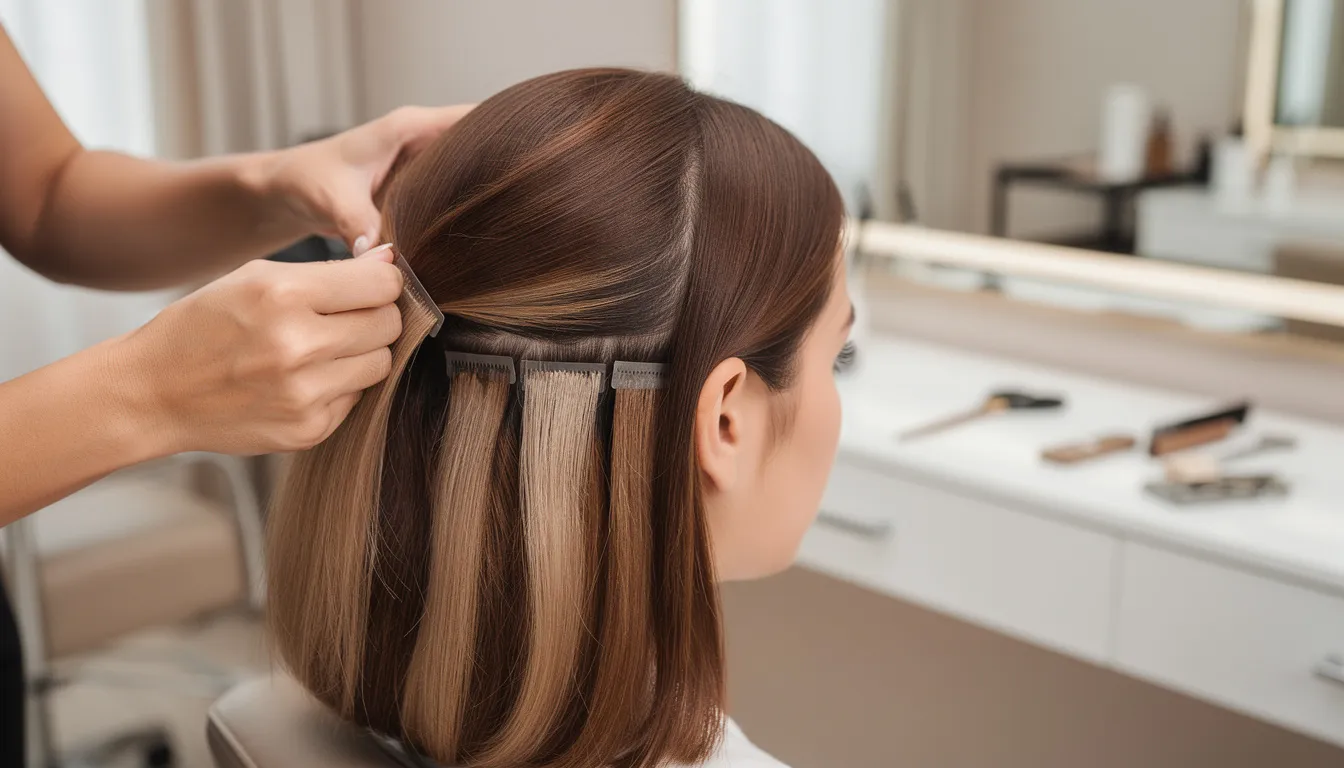
Pre-taped wefts are glued together on either side of the client’s hair.
-
Tape hair extensions (also known as tape in extensions) are considered semi-permanent and should be applied by a professional to ensure accurate placement and avoid damage to natural hair.
-
Applied by aligning to the roots and using a heated tool to secure the adhesive.
-
Application takes up to 1 hour.
Longevity
-
Lasts 4–8 weeks before needing removal and re-application.
Maintenance
-
Requires special shampoos and conditioners to maintain adhesive.
-
Avoid oil-based hair products, as they can loosen tape-in extensions and cause them to slip.
-
Regular salon appointments recommended.
Pros & Cons
-
Pros: Semi-permanent, seamless blend, great for thin hair.
-
Cons: Requires professional application and maintenance, adhesive can weaken over time.
Halo Hair Extensions
Application
-
Utilises a transparent wire that sits on the head like a crown.
-
No attachment to natural hair; sits underneath and is held in place by your own hair.
Longevity
-
Results last between 6 to 12 months with proper care.
Maintenance
-
Quick and easy to apply and remove.
-
Minimal risk of damage, ideal for fragile hair.
Pros & Cons
-
Pros: No damage, easy to use, suitable for sensitive or fragile hair.
-
Cons: Not suitable for very active lifestyles, not permanent.
Sew-In Hair Extensions (Weave)
Application
-
Natural hair is braided into cornrows. Weave hair extensions are predominantly used for people with thicker hair because of the way they are applied.
-
Extensions are sewn into the braids using a needle and thread. Weave hair extensions can also come in a wig form, which is a single, seamless piece sewn into cornrows.
-
Weave in extensions and weave in hair extensions should only be done by professionals to ensure the braids are not overly tight, as the hair can add weight.
-
Application can take several hours.
Longevity
-
Lasts 6–8 weeks; avoid wearing for more than 4 months straight.
Maintenance
-
Requires proper aftercare to prevent scalp strain and maintain appearance.
-
Best suited for thicker hair types.
Pros & Cons
-
Pros: Secure, natural appearance, minimal damage with proper care.
-
Cons: Time-consuming application, not ideal for thin hair, can strain scalp.
Fusion & Pre-Bonded Hair Extensions
Application
-
Individual strands are fused to natural hair using adhesives (e.g., glue) or heat. Fusion extensions are applied by fusing the extensions to natural hair using adhesives such as glue, and are considered semi-permanent.
-
Applied with a special machine or heat clamp.
-
Application takes 3–4 hours.
Longevity
-
Can last up to 4 months.
Maintenance
-
Considered semi-permanent.
-
Requires professional application and removal.
Pros & Cons
-
Pros: Long-lasting, natural look.
-
Cons: Can be damaging, time-intensive, not suitable for fragile hair.
Microlink Hair Extensions
Application
-
Small silicone-lined beads attach tiny wefts to natural hair.
-
Micro bead hair extensions are also known as micro rings or ring hair extensions, are applied by attaching tiny wefts of hair to small sections of natural hair with a small silicone-lined bead.
-
The small silicone-lined bead is essential for a secure, damage-free fit.
-
Secured with a special tool to tighten the beads.
-
No heat or glue required.
Longevity
-
Takes 2–4 hours to apply.
-
Can last up to 4 months.
Maintenance
-
Semi-permanent, reusable with proper care.
-
Requires professional adjustment as hair grows.
Pros & Cons
-
Pros: No heat or glue, reusable, less damaging than fusion.
-
Cons: Not suitable for very fine hair, beads may slip if not maintained.
Now that you know the main types, let’s discuss alternative solutions and how to choose the right one for your needs.
Wigs & Hair Pieces
Fun fact: the earliest Egyptian wigs were created in 2700 B.C.E – and they continue to be extremely popular to this day.
Types of Wigs & Hair Pieces
-
Full Wigs: Cover the entire head for complete transformation or hair concealment.
-
Half Wigs: Add volume or length to specific areas.
-
Lace Front Wigs: Offer a natural-looking hairline.
Application
-
Applied topically to the scalp or over natural hair.
-
No attachment to natural hair required.
Longevity
-
Real human hair wigs can last up to a year with good care.
Maintenance
-
Regular cleaning and gentle handling required.
-
Store properly to maintain shape and quality.
Pros & Cons
-
Pros: Full coverage, protective, versatile styles.
-
Cons: Can feel hot or heavy, requires proper fit.
Wigs and hair pieces are often used to protect natural hair, cover hair loss, or simply enhance your look with a new style.
Hair Type and Extensions
Choosing the right hair extensions starts with understanding your own hair type. Not all types of hair extensions are suitable for every hair texture, so selecting the right method is key to achieving a natural look and maintaining the health of your natural hair.
It’s essential to choose extensions that keep your extensions healthy and support natural hair growth, ensuring your chosen method fits your lifestyle and allows your hair to shed and grow naturally.
For Fine Hair
-
Best Options: Clip-in hair extensions, tape-in hair extensions, halo hair extensions.
-
Why: Lightweight, gentle on delicate strands, reduce risk of breakage or thinning.
-
Benefits: Easy application and removal, minimal damage.
For Thick Hair
-
Best Options: Sew-in hair extensions (weave), microlink hair extensions.
-
Why: Provide secure, long-lasting results, can support the weight of extension hair.
-
Benefits: Semi-permanent, reusable, suitable for robust hair types.
Ultimately, the best hair extensions for you will depend on your individual hair type, lifestyle, and desired outcome. Consulting with a professional stylist can help you navigate the different types of hair extensions and select the method that will keep your hair healthy while delivering the results you want.
By matching the extension type to your hair, you’ll achieve a flawless, natural finish that enhances your look and protects your natural hair.
Now that you understand how hair type affects your extension choice, let’s look at other important factors to consider.
Key Considerations Before Choosing Hair Extensions
The best type of hair extension depends on your lifestyle, hair type, and maintenance willingness. Your natural hair’s condition affects which type of extensions you should choose.
Consulting a professional stylist is crucial for choosing the right hair extensions. Choosing the right type of hair extension can help avoid damage to your natural hair.
Choosing the Right Extensions
Selecting the right hair extensions depends on your individual hair type, lifestyle, and the look you want to achieve.
For Fine Hair
-
Lightweight options like tape-in or halo hair extensions are ideal.
-
Minimise stress on your own hair and reduce the risk of damage.
For Thick Hair
-
Robust solutions such as sew-in extensions or microlink hair extensions offer a secure fit and long-lasting results.
Colour and Texture Matching
-
Always match the colour and texture of the extensions to your own hair for a natural finish.
Maintenance Commitment
-
Consider how much maintenance you’re willing to commit to—some extension types require more frequent salon visits than others.
Professional Guidance
-
Consulting with a professional hair stylist can help you navigate the different options and choose the best method for your needs.
Quick Reference Table: Extension Types & Suitability
| Extension Type | Best For | Longevity | Maintenance Level | Application Method |
|---|---|---|---|---|
| Clip-in | Fine/All Hair | 3–6 months | Low | At-home |
| Tape-in | Fine/Thin Hair | 4–8 weeks | Medium | Professional |
| Halo | Fragile/Fine | 6–12 months | Low | At-home |
| Sew-in (Weave) | Thick Hair | 6–8 weeks | Medium | Professional |
| Fusion/Pre-Bonded | All Hair | Up to 4 months | High | Professional |
| Microlink | Thick Hair | Up to 4 months | Medium | Professional |
| Wigs & Hair Pieces | All Hair | Up to 1 year | Medium | At-home/Professional |
Now that you know how to choose the right extension type, let’s explore how to apply and remove them safely.
Extension Application and Removal
The process of applying and removing hair extensions varies depending on the extension type you choose.
Professional vs. At-Home Application
-
Clip-in & Halo Extensions: Designed for easy, at-home use. Add or remove in minutes without professional help.
-
Tape-in, Sew-in, Fusion, Microlink Extensions: Require the expertise of a professional stylist for both application and removal to avoid scalp irritation and hair breakage.
Application Steps (Generalised)
-
Preparation: Wash and dry natural hair thoroughly.
-
Sectioning: Divide hair into sections for even application.
-
Attachment: Apply extensions using the chosen method (clip, tape, sew, bead, etc.).
-
Blending: Style and blend extensions with natural hair for a seamless look.
Removal Steps
-
Clip-in & Halo: Unclip or remove the wire and gently take out the extensions.
-
Tape-in: Use a special remover solution to dissolve adhesive before gently sliding out the wefts.
-
Sew-in: Carefully cut the thread and remove the wefts.
-
Fusion & Microlink: Use professional tools to break the bond or open the beads before removal.
Maintenance During Wear
-
As your natural hair grows, extensions may need to be repositioned or adjusted to maintain a seamless look.
-
Regular maintenance appointments are essential for keeping your extensions looking their best.
Now that you know how to apply and remove extensions, let’s discuss how to care for them to ensure longevity.
Hair Care and Maintenance
Caring for your hair extensions is key to maintaining their appearance and protecting your own hair.
Human vs. Synthetic Maintenance
-
Human Hair Extensions:
-
Use gentle, sulfate-free shampoos and conditioners.
-
Avoid oil-based products that can weaken bonds.
-
Limit heat styling and always use a heat protectant.
-
Regular trims and check-ins with your stylist.
-
-
Synthetic Hair Extensions:
-
Require less maintenance but should not be exposed to high temperatures.
-
Use products specifically designed for synthetic hair.
-
Avoid heat styling to prevent melting or loss of shape.
-
General Care Tips
-
Brush extensions gently to prevent tangling.
-
Sleep with hair in a loose braid or ponytail to avoid matting.
-
Store removable extensions in a cool, dry place.
By investing in high quality hair products and following a consistent care routine, you can extend the life of your extensions and enjoy a flawless finish.
Budget and Cost
When considering hair extensions, it’s important to factor in both the initial cost and ongoing maintenance.
Initial Cost
-
Clip-in & Synthetic Extensions: Most budget-friendly, ideal for temporary changes.
-
Human Hair Extensions: Higher upfront investment, especially for remy hair.
-
Permanent Extensions (Sew-in, Microlink, Fusion): Higher cost due to professional application.
Ongoing Maintenance Costs
-
Regular salon visits for maintenance and repositioning.
-
Special products for cleaning and care.
-
Potential costs for removal and reapplication.
Cost Comparison Table
| Extension Type | Initial Cost | Maintenance Cost | Longevity |
|---|---|---|---|
| Clip-in (Synthetic) | Low | Low | 3–6 months |
| Clip-in (Human) | Medium | Low | 3–6 months |
| Tape-in | Medium | Medium | 4–8 weeks |
| Halo | Medium | Low | 6–12 months |
| Sew-in (Weave) | High | Medium | 6–8 weeks |
| Fusion/Pre-Bonded | High | High | Up to 4 months |
| Microlink | High | Medium | Up to 4 months |
| Wigs & Hair Pieces | Varies | Medium | Up to 1 year |
Consulting with a professional stylist can help you choose the best option for your budget, ensuring you receive high quality hair extensions that suit your lifestyle and deliver lasting results.
How to Choose the Best Hair Extension Type for You
The best hair extension method is one that meets your goals and lifestyle. Your budget will influence the type of hair extensions you can choose.
Consider how much maintenance you are prepared to commit to when choosing hair extensions.
Explore Our Accredited Beauty Therapy Courses
Ready to take the next step in your beauty career? At Training Beauty & Beyond, we offer a comprehensive range of accredited beauty therapy courses designed to fit your lifestyle.
Whether you’re a beginner or looking to expand your skills, our flexible online courses provide expert guidance, practical assessments, and tutor support every step of the way.
Browse our selection of courses today and discover how you can gain recognised qualifications from the comfort of your own home.
Start building the career you’ve always dreamed of with Training Beauty & Beyond.