Skip to content
If you’re considering being a nail technician, you’re probably excited, but a bit hesitant.
You’re naturally good at nails, you notice when one is off, and you see lifting right away, however making something you like a job can seem a huge jump. Previous experience is not required to start nail courses – there are options for all levels, from beginner to advanced.
This article is for those with little or no prior experience who want to start a career as a nail technician. This guide covers the essential steps, skills, and resources needed to become a beginner nail technician in the UK, including training options, starter kits, business planning, and tips for getting your first clients.
Actually, learning to be a nail technician isn’t as hard as people assume.
It isn’t really about being artistic, but about always doing things the same way, being safe, and the right practice. If you want a expert support led way into a thriving nail career, have a look at our nail course.
Accredited nail technician courses provide essential training and can help you gain formal qualifications, even though in the UK, formal qualifications are not strictly mandatory to become a nail technician.
It goes through everything from getting nails ready and using builder gel, to dealing with clients and doing evaluations.
A nail technician is a trained professional who specialises in nail care, including manicures, pedicures, gel nails, and nail extensions.
Let’s consider what the job is really like.
First: Understand What a Nail Technician Actually Does
A nail technician has to:
- Safeguard the natural nail
- Put on structured improvements safely
- Stick to hygiene rules
- Deal with what customers want
- Organise appointments without wasting time
A nail technician is responsible for grooming and tending to nails using various methods and techniques.
It’s a trained job. It needs accuracy. It needs consistency. Daily responsibilities include advising and guiding clients on nail care, and ensuring the safety of both the client and themselves when using nail products. Nail technicians can work in salons, spas, or as mobile technicians visiting clients at home.
Building relationships with clients is essential for success, and client management skills such as active listening and clear communication help to enhance customer loyalty and professional growth.
Many people new to this underplay nail preparation and overplay design. Experts do the opposite.
Second: Get a Starter Kit to Help
You won’t need everything immediately. You need the basics you can depend on.
A starter kit in the UK should have as a bare minimum:
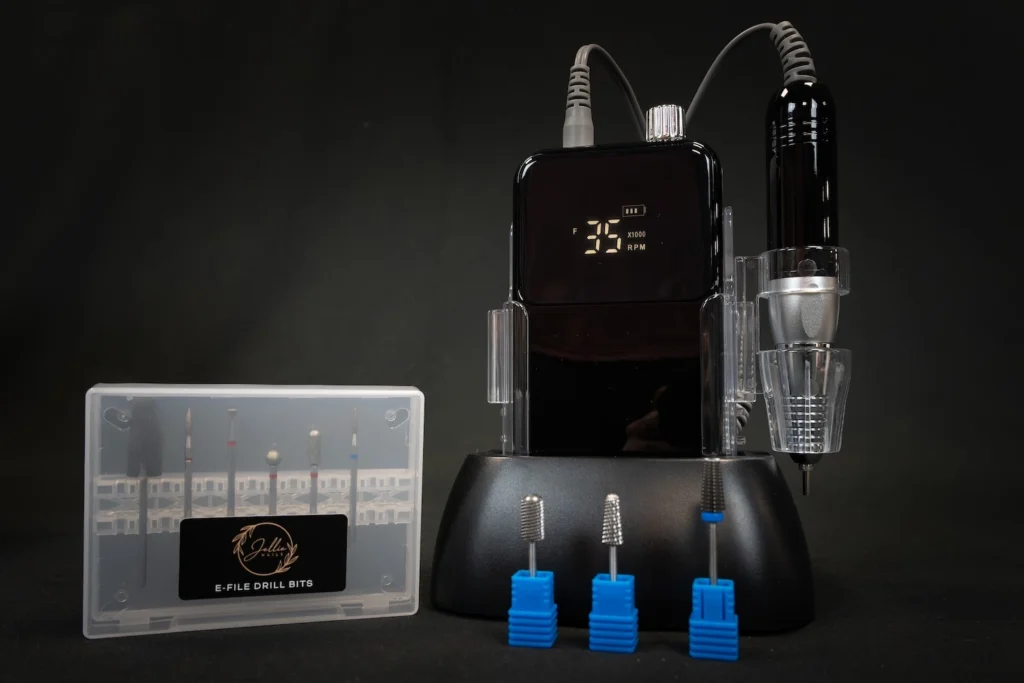
- An e-file with changing speed
- A fine or medium safety drill bit
- Good hand files and buffers
- Builder gel or a BIAB system
- Dehydrator and primer, if you need them
- Base coat and top coat
- A working UV or LED lamp
- Cuticle pusher and nippers
- Wipes with no fluff and isopropyl alcohol
- Hospital-grade disinfectant
Keep it simple. Get the technique right before buying more products.

Third: Get Good at Nail Preparation First
If you want to be a nail technician who keeps clients, this is what you need to get better at. Lifting is almost always due to bad preparation.
Good preparation goes like this:
- Clean hands Push back the cuticle
- Carefully get rid of dead tissue
- Take off surface shine with a mild buffer
- Dust completely
- Dehydrate
- Prime if necessary
You are preparing the nail plate, not making it thinner. Use little pressure. Use steady movements.
Students who learn preparation well early on usually get on twice as fast later.
Practicing nail techniques on friends or family can help build confidence for beginners, and remember – practice makes perfect.
Fourth: Learn About Structure, Not Only How to Put On
Builder gel isn’t just spreading product. Think of the nail as a small bridge. It needs balance. It needs a peak. It needs straight, flat sides. Nail technician work is a true craft, blending skill, creativity, and artistry – focusing on mastering your craft is essential for delivering professional results and building a successful career.
When putting on builder gel:
- Put a thin slip layer on first
- Take the product from cuticle to free edge
- Let it even itself out
- Quickly turn the finger to help make the peak
- Look at it from the side and head-on
The peak should be about a third of the way from the cuticle. Not flat. Not heavy. Balanced.
Structure is what makes a hobby a job. To truly excel as a beginner nail tech, keep up with trends and experiment with new ideas to push the boundaries of nail art and design.
Fifth: Use an E-File Safely and With Confidence
Being able to control an e-file is one of the biggest steps in training. For gel removal, a lot of beginners start at between twelve and fifteen thousand RPM using a cross-cut or straight barrel safety drill bit. Keep your pressure light. Keep the drill bit moving. Work in one direction to cut down on heat.
Stop when a thin layer of product is left, then make neat at once. Never work directly on the nail itself. Knowing when to stop is as important as knowing how to file.
How Long Does It Take to Become a Nail Technician in the UK?
This is a question people ask a lot.
Most students who do two or three complete sets a week will see clear progress in four to six weeks. As you get used to what you’re doing, your confidence will grow.
Online nail courses are a flexible option for those with other commitments, allowing you to study at your own pace from home and fit your training around work, family, or personal obligations.
How long it takes to become qualified depends on the course, with some high-quality online nail technician courses allowing you to complete your training in as little as 4 weeks, while others may take up to 12 weeks depending on the depth and pace of the programme.
Our courses are designed to let you learn at your own speed, fitting around your other commitments, so you can progress quickly if you dedicate the time, or take it more gradually if needed.
Advanced nail technician courses cover specialised techniques such as gel extensions and nail art.
The main thing separating learning and qualifying is being assessed, and getting comments on your work – that’s where a proper course is most helpful. Many nail technician courses include both practical and theoretical lessons, and require students to complete practical assessments to receive industry-recognised certification.
If you want to be fully qualified, our accredited nail course gives training, step by step, with tutors to help and practical tests. Completing a nail technician course can enhance your employability in the beauty industry, and accredited training allows you to gain insurance, which is required for anyone working with the public.
Qualifications are important for building credibility and finding employment or starting a business as a nail technician.
Business Planning for New Nail Technicians
Starting your journey as a nail technician isn’t just about mastering polish application or perfecting nail art – it’s also about laying a solid business foundation. Creating a detailed business plan is essential if you want to thrive in the nail industry, whether you dream of working in a salon or becoming self-employed and managing your own time.
A strong business plan will help you clarify your goals, identify your ideal clients, and map out your financial projections.
It should also cover your marketing strategies, startup costs, and the equipment you’ll need to get started. Don’t forget to research and arrange nail technician insurance, which is vital for protecting your business and meeting industry standards in the UK.
If you’re unsure where to begin, consider enrolling in an online nail course or seeking advice from experienced professional nail techs.
These resources can give you a better idea of what’s required and ensure you’re fully prepared for the realities of running a nail business. With the right training and a clear plan, you’ll be ready to launch your services confidently and start building a loyal client base on your own terms.
Getting Your First Ten Clients
When you’re just starting, keep things under control.
Start with two friends who already have healthy nails. Charge less than usual, but be certain about what the price covers. Offering your services at a discounted rate can help you gain valuable experience and build confidence as a beginner nail technician.
Take ‘before’ and ‘after’ photos regularly to start building a portfolio that showcases your skills. Including testimonials from friends or family in your portfolio can enhance your credibility and help attract new clients. Get brief comments from them. Arrange for follow-up appointments.
Networking with other professionals in the beauty industry can help you find job opportunities and expand your reach.
Building strong relationships with clients is essential for encouraging repeat business and word-of-mouth recommendations, which are key to growing a loyal client base and achieving long-term success as a nail technician.
Ask each client to tell someone else about you. Post three times a week in your local area. Show how you get ready, the shape you make, and how much care you put in. Don’t follow trends until you’re good at the basics.
Setting Your Prices as a Beginner
Find out what people in your area are charging. Have: a price for builder gel overlays, a price for infills, a price for removal add-ons, clearly priced. Don’t charge too little because you’re not sure of yourself. People pay for being safe and for being sure of a good job, as much as for how things look.
Taking additional courses and gaining more qualifications can make you more valuable as a nail technician, allowing you to offer a wider range of services and justify higher prices. Many nail technicians choose to train across different systems to expand their skills and stay up-to-date with industry trends.
The average starting salary of a nail technician in the UK is around £15,500, which can rise to approximately £25,000 with experience. Top earners can make up to £5,000 a month depending on their working hours, experience, and location.
Look at your prices again once you have ten to twenty clients who pay you.
Nail Salon Operations: What to Expect Day-to-Day
Once you’re qualified and ready to work in a nail salon, your daily routine as a nail technician will be varied and rewarding. You’ll spend your days performing a range of nail treatments, from classic manicures and pedicures to applying gel polish and creating bespoke nail art for your clients.
Each appointment is an opportunity to showcase your skills and help clients feel their best.
Maintaining a clean, organised, and safe workspace is a top priority in any professional salon. You’ll be responsible for sanitising your tools, managing your schedule, and ensuring every client receives a high standard of care.
Building strong relationships with your clients is key – repeat business and word-of-mouth recommendations are the backbone of a successful nail career.
To stay ahead in the beauty industry, it’s important to keep learning. Enrolling in a nail technician course that covers both technical skills and business know-how will help you deliver exceptional service and adapt to new trends.
By focusing on quality, professionalism, and client satisfaction, you’ll set yourself up for long-term success in the nail industry.
Common Mistakes to Avoid Early On
Lifting at the cuticle – usually because the nail wasn’t prepared properly, or the product touched the skin. Keep the product a little away from the edge of the cuticle.
Heat spikes – often because too much product was put on at once. Use thinner layers or quickly harden with a UV lamp if needed.
Product on the sidewalls – go slower. Allow the product to spread out by itself, rather than pushing it.
Over-filing – pressing harder doesn’t give better results. A careful technique is always the best.
A useful tip for beginners is to always double-check your prep and application steps to avoid these common mistakes.
Seeking tips from experienced professionals can help you avoid pitfalls and improve your skills as you learn how to become a beginner nail tech.
Hygiene and Professional Standards
Clean tools. The right length of time for disinfectant to work. New towels. Good storage. Clients notice if a place is organised and clean straight away. It makes them trust you more than anything you could tell them.
If you are working in the UK, make sure you know what the health and safety rules are locally, and what your insurance company expects, before you ask for money for your work. Having formal qualifications can help you obtain professional indemnity and public liability insurance, which are required to practice legally as a nail technician in the UK.
Professional standards begin on your first day.
Specialized Services to Consider as You Grow
As your confidence and skills develop, expanding your service menu can help you stand out in the competitive nail industry. Many successful nail techs choose to specialise in advanced techniques such as gel extensions, hard gel overlays, or intricate nail designs. These services not only attract a wider range of clients but also allow you to charge premium rates for your expertise.
Investing in accredited training for advanced nail treatments, nail art, and gel polish application will keep your skills sharp and your business competitive.
Whether you’re working in a salon or building your own business as your own boss, offering a diverse range of services can lead to greater job satisfaction and increased income.
Continuous learning and practice are essential as you introduce new techniques. By focusing on quality, creativity, and client care, you’ll build a reputation as a skilled and innovative nail technician—one who leads in both service and style.
With the right training and a commitment to excellence, your nail business can flourish in the long run.
When Training Really Matters
Free tutorials on the internet can help you begin. Good training makes the process faster.
Learning to be a nail technician properly means:
- Knowing when not to do a treatment
- Passing practical tests
- Getting proper comments on your work
- Building a collection of your best work
- Working towards approval
Many nail technician courses include case studies as practical assignments to demonstrate your skills and help you build a professional portfolio.
Courses often include modules on business training and marketing to prepare you for running your own beauty business. Private training providers offer accredited courses that focus on specific systems like gel or acrylics.
At some point you stop just doing nails, and start being a nail technician. If you are ready for that step, look at our accredited nail course and see what the training involves.
Final Thoughts
You don’t need perfect sets to start. You need to be consistent. Safe preparation. A good shape. A neat finish. Note how you are doing. Compare your photos each month.
You’ll be amazed at how much better you get. Becoming a nail technician is not about being naturally good at something. It’s about being disciplined and doing things again and again.
To succeed in the evolving nail industry, focus on your craft and pursue recognised qualifications—these are valuable for building your skills, credibility, and long-term career prospects. Continuous learning and professional development will help you stay competitive and open up new opportunities.
And that’s something you can control.
Frequently Asked Questions (FAQ)
Q1: Do I need formal qualifications to become a nail technician in the UK?
While formal qualifications are not strictly mandatory, completing an accredited nail technician course is highly recommended. It enhances your skills, improves employability with potential employers, and is essential for obtaining professional nail technician insurance.
Q2: What are the essential tools I need to start as a beginner nail tech?
A basic starter kit should include an e-file with adjustable speed, safety drill bits, hand files and buffers, builder gel or BIAB system, dehydrator and primer, base and top coats, a UV or LED lamp, cuticle tools, lint-free wipes, isopropyl alcohol, and hospital-grade disinfectant.
Q3: Can I work as a nail technician without previous experience?
Yes, many beginner nail technician courses are designed for those with little or no prior experience. Practicing on friends or family helps build confidence, and completing accredited training prepares you for professional work.
Q4: How do I find my first clients as a beginner nail technician?
Start by offering your services to friends and family at a discounted rate to build a portfolio. Use before-and-after photos and collect testimonials. Networking within the beauty industry and active social media presence can also help attract new clients.
Q5: What should I consider when setting prices for my nail services?
Research local salon prices to understand the market. Set clear prices for different services such as builder gel overlays, infills, and removals. Avoid underpricing; clients pay for quality, safety, and professionalism as much as for the final look.
Q6: Is nail technician insurance necessary?
Yes, nail technician insurance, including professional indemnity and public liability, is essential for legally practicing in the UK. Accredited training usually helps you qualify for insurance coverage.
Q7: How can I grow my nail business after qualifying?
Continuously improve your skills by taking additional courses in advanced techniques like gel extensions and nail art. Build strong client relationships, maintain professional standards, and develop a solid business plan including marketing strategies.
If you have more questions or want guidance on starting your nail technician journey, consider enrolling in our accredited online nail technician course with full tutor support.